
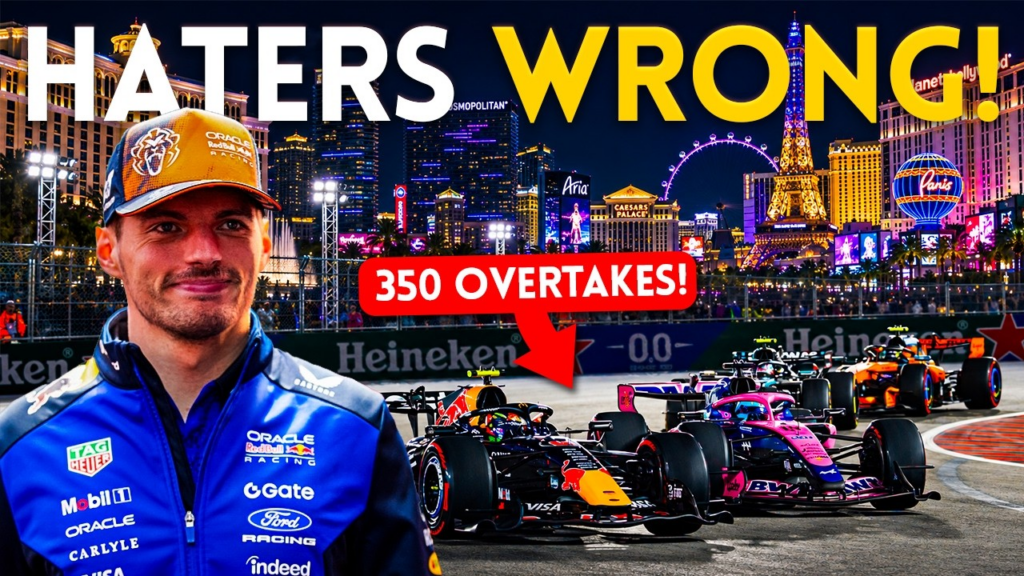
The 2026 Las Vegas Grand Prix delivered quite an answer to its critics: roughly 350 overtakes, a superb win from Max Verstappen and both McLaren drivers on the podium. From trackside, the remarkable thing was how long the action kept coming. Cars were still arriving 2 and 3 wide into Turn 1 halfway through the race.
Las Vegas is never going to feel like Spa or Monza. Nor should it. This event has its own personality, its own audience and some extraordinary photographic opportunities. This time, it also had the racing to back up the spectacle.
The Racing Was the Best Answer to the Critics
Before the weekend, there was no shortage of people dismissing Vegas. Some disliked the event, some thought it was a waste of time, and others had already decided to give it a miss. Well, they missed something special.
What impressed me most was the frequency of the battles. This was not simply a frantic opening lap followed by a procession. Standing at Turn 1, I kept seeing cars competing side by side, well into the race.
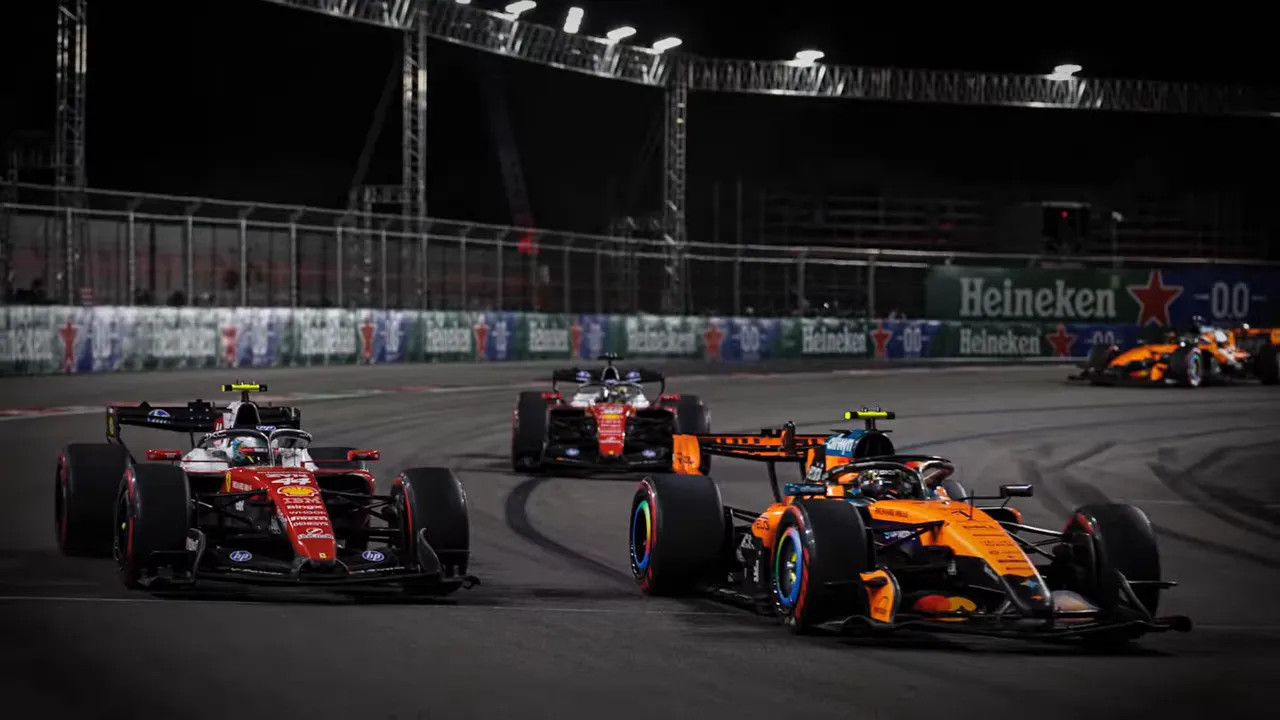
There will always be arguments about whether the rules and engine management make overtaking too artificial. I understand that discussion, but I struggle with the alternative some people seem willing to accept: a line of cars unable to pass one another.
I would much rather have a night full of racing. Las Vegas provided that in abundance, and it was a terrific result for Formula 1.
There is a slightly frustrating side to photographing a race like this, though. So much can happen around the circuit without the decisive moment taking place directly in front of your lens. A spectacular Grand Prix does not automatically hand every photographer a spectacular incident photograph.
A Crowd That Came for a Spectacle and Got One
The gaps in the grandstands on Thursday and Friday had made me wonder whether attendance might be a problem. By race night, the picture looked very different. From what I could see, the stands were close to full.
After the podium, I asked around 20 to 30 people to rate the race out of 10. One gave it 7, 2 gave it 9, and almost everyone else went for 10 or even 11. That is not a scientific survey, of course, but it gives you a fair idea of the mood.
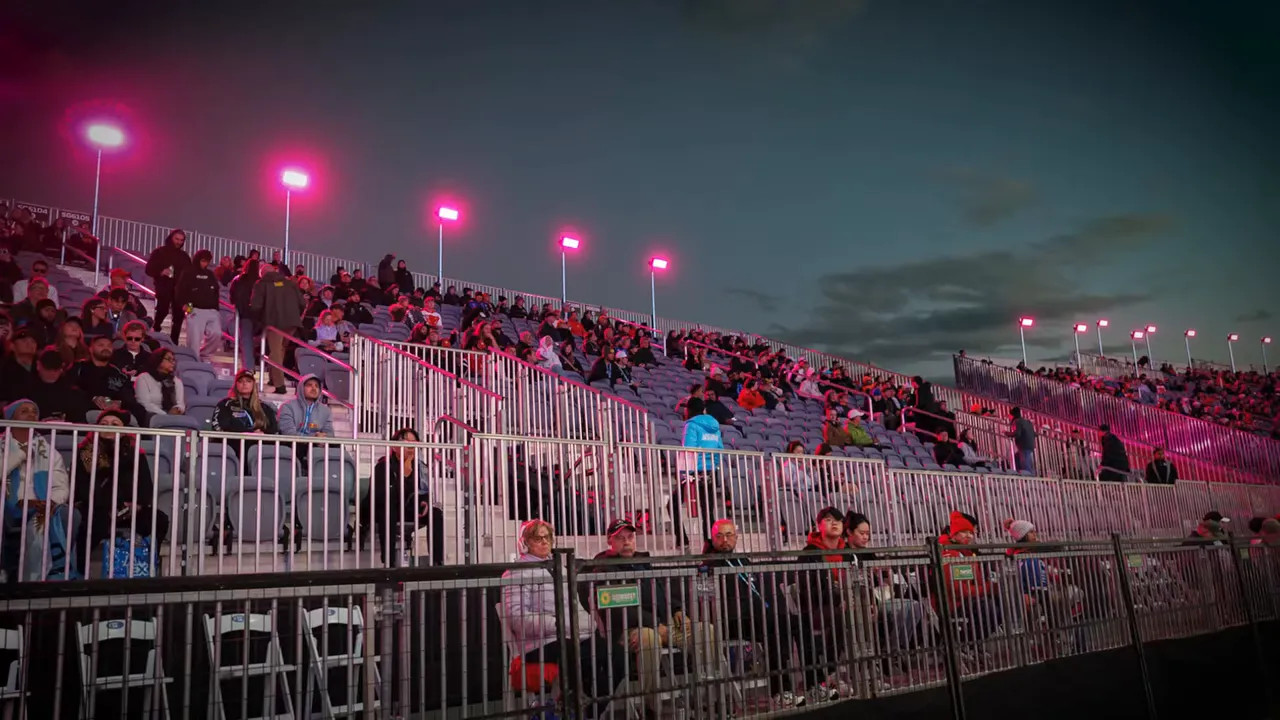
The noise was useful to me professionally, too. Trackside photographers cannot always see the big screens, so a sudden roar from the stands often signals that something has happened elsewhere on the circuit.
Vegas attracts a different mix of people from the traditional European races. Alongside committed F1 supporters, there are plenty who have come to find out what the fuss is about. On this occasion, they got an excellent introduction.
The paddock had a lively atmosphere, with plenty of food and drink available. It felt unlike any other race. For someone considering attending a Grand Prix, this weekend made a strong case for Las Vegas.
It was chilly afterward, around 7°C to 8°C, but not desperately uncomfortable. In the stands, the excitement certainly seemed to help keep people warm.
Verstappen’s Win and McLaren’s Double Podium
Max Verstappen put on a clinic. It was an excellent drive, and his supporters had every reason to be delighted. His post-race comments about George Russell were pointed, too. My reading of them was that he did not consider George to be operating at his level.
Russell had endured another setback, while the mood around McLaren was considerably brighter. Having both McLaren drivers on the podium was a notable part of the evening.
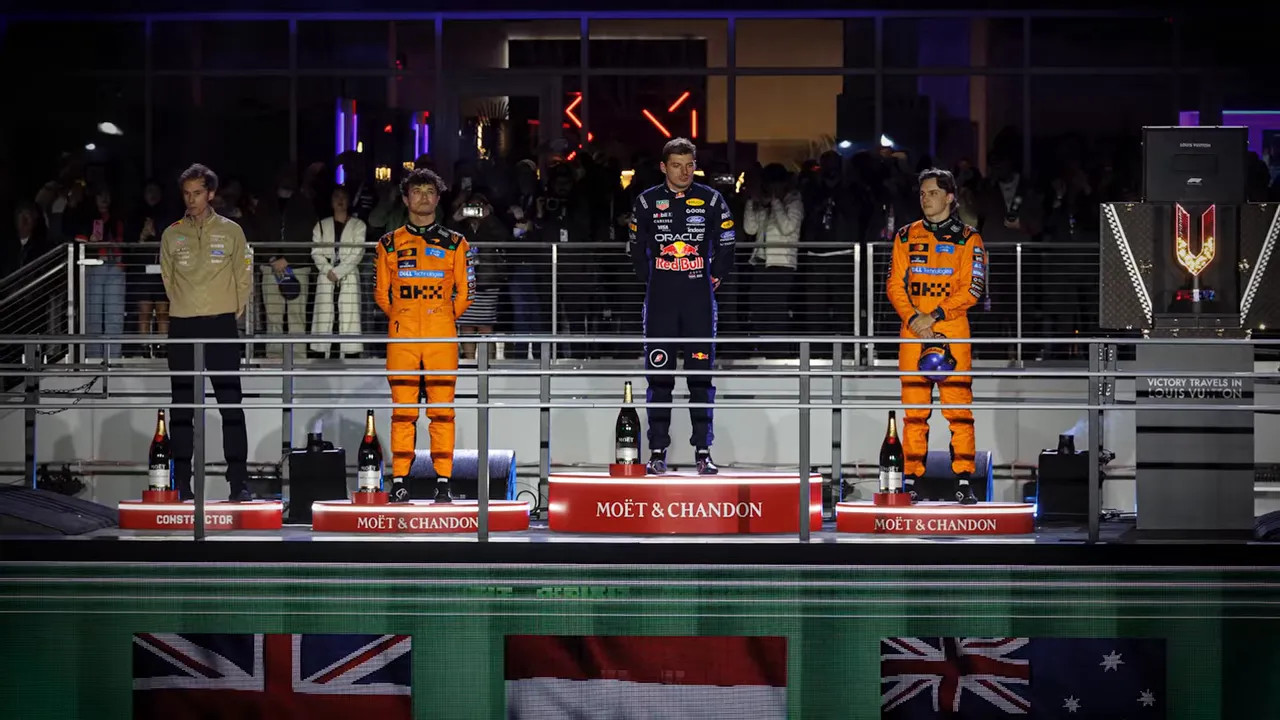
As an Australian, I particularly enjoyed seeing Oscar Piastri up there. I spoke with Emma Murray, who works closely with Oscar, after the race, and she was absolutely delighted. Oscar himself was looking very cheerful in the media pen.
Results tell part of the story. Those little encounters afterward tell you what a result means to the people involved.
The FIA, the Daily Mail and a Press Freedom Dispute
One of the bigger off-track stories concerned Daily Mail journalist Jonathan McEvoy, an experienced member of the paddock press corps with around 400 races behind him.
A column containing an insulting description of Charles Leclerc prompted Ferrari to complain to the FIA. The governing body subsequently barred McEvoy from the final 3 races. Although those rounds would not decide the championship, losing access was still a significant sanction.
The Daily Mail and McEvoy were plainly unhappy. A follow-up column escalated matters with personal insults about Ferrari team principal Fred Vasseur, attacking both his appearance and his competence.
I asked the FIA about its decision because I could not readily remember a comparable case involving such a high-profile journalist. Its explanation was that it had launched a campaign against online abuse and regarded the language in the column as falling within that area.
Critics saw the ban differently, arguing that it restricted press freedom. That is the central tension here: the FIA considered itself to be responding to abuse, while others regarded the punishment as interference with journalism.
Leclerc’s public response was restrained. He said the wording had surprised him but offered little more. I had not heard Vasseur’s response to the later comments about him.
My understanding at the time was that the Daily Mail intended not to cover the final 3 races in response to McEvoy’s exclusion. Whether that position would hold was another detail to follow.
Paddock Characters and Very Different Levels of Attention
The oversized LEGO versions of the drivers were a huge paddock talking point. Drivers had not helped design their characters. They encountered them as a surprise at the start of the event, which in Vegas meant Wednesday because the race takes place on Saturday.
By Friday, the figures had gained another nice detail: paddock passes hanging around their necks.
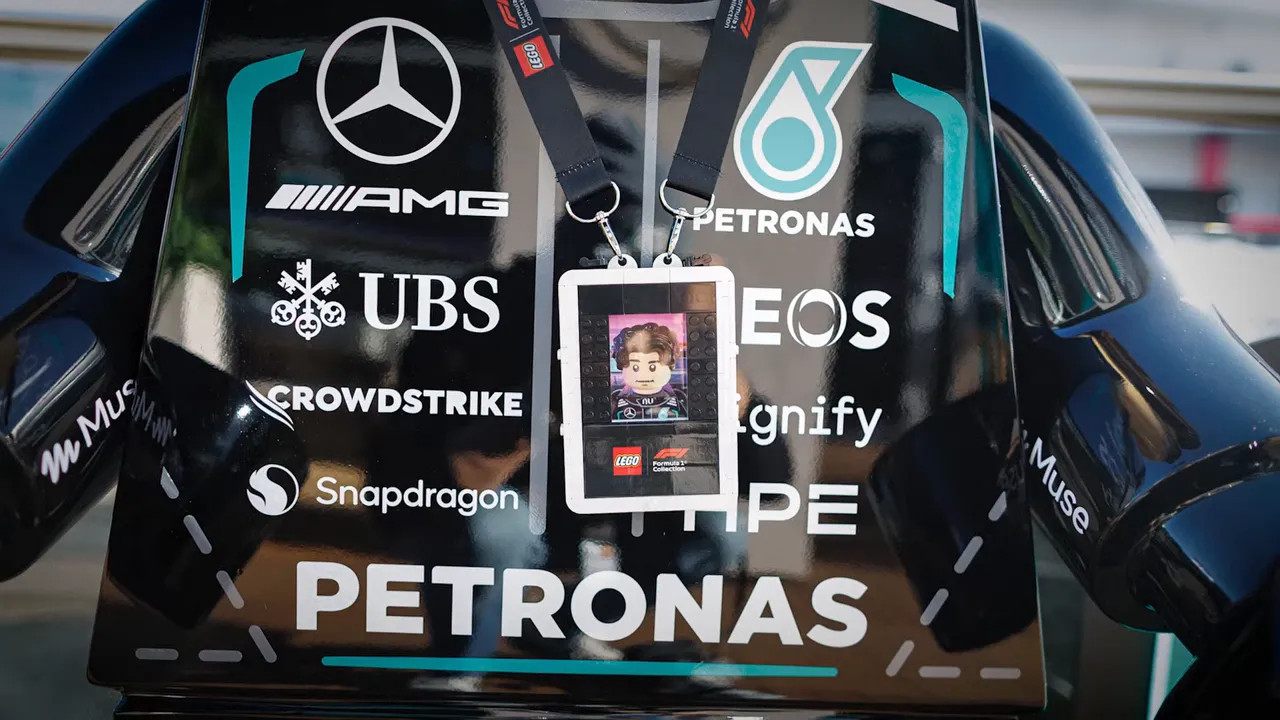
Rafael Câmara was the exception I noted. He had joined too late to have a figure prepared, while an Esteban Ocon version apparently existed but was one I did not see.
Câmara also illustrated how dramatically recognition can vary within the same paddock. With only 1 previous race appearance, he was unfamiliar to many of the local photographers and could arrive without attracting much attention.
Lewis Hamilton faced the opposite problem. In such a busy paddock, he used a quieter route after the access gates, turning left through the back of the press conference room and continuing behind the hospitality suites.
It is hardly the glamorous side of Formula 1. That area contains freight, kitchen equipment and team personnel. Its attraction is practical: no fans and no media.
Dry Air, Static Shocks and a Haas Contract Question
One of the funnier paddock moments involved Lando Norris and a warning that did not quite land. His security guard had cautioned him about static shocks, but Lando understood it as a reference to static photographs. He therefore was not expecting a zap when he reached for a fan’s pen.
The dry air was noticeable elsewhere, too. In race control, door handles had rubber covers intended to reduce those unpleasant little shocks.
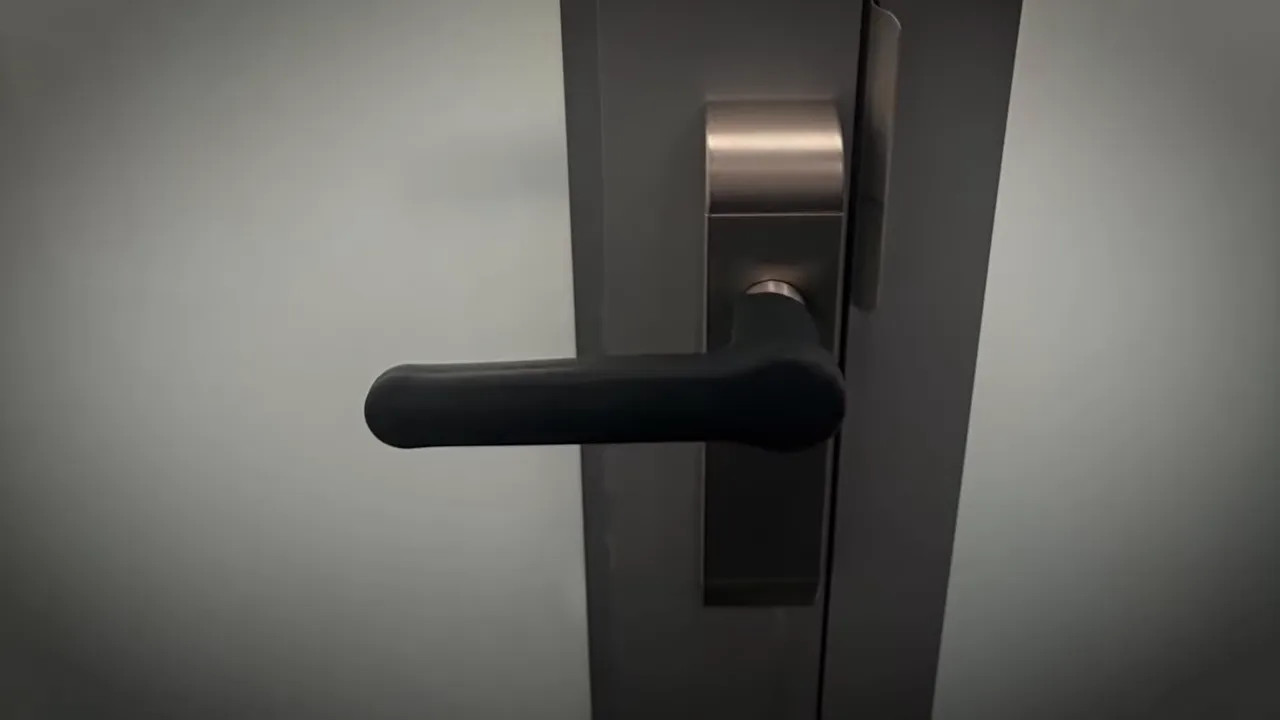
Moisturizer and lip balm are sensible things to pack for this event. The air can leave both skin and lips feeling very dry.
On the driver market, Oliver Bearman’s unconfirmed 2027 Haas deal was another talking point. My understanding was that he was seeking around €6 million, roughly the figure I believed Esteban Ocon had been earning.
The reasoning, as I understood it, was that Bearman would be moving into the senior role and felt the salary should reflect that. Haas appeared to want him, and he appeared to want to remain there, but the financial terms had not yet come together.
Those figures were paddock information rather than a confirmed contract announcement. The unresolved question was whether the 2 sides could reach agreement over the following 2 weeks.
Only in Vegas: Elvis, Showgirls and Welcome Plaques
There is no mistaking the location when drivers arrive to find Elvis impersonators and showgirls waiting to greet them. It is colorful, distinctly Las Vegas and, depending on your taste, perhaps a little kitschy.
I estimated that around half the drivers stopped to accept their personalized welcome plaques. Team principals received them as well.
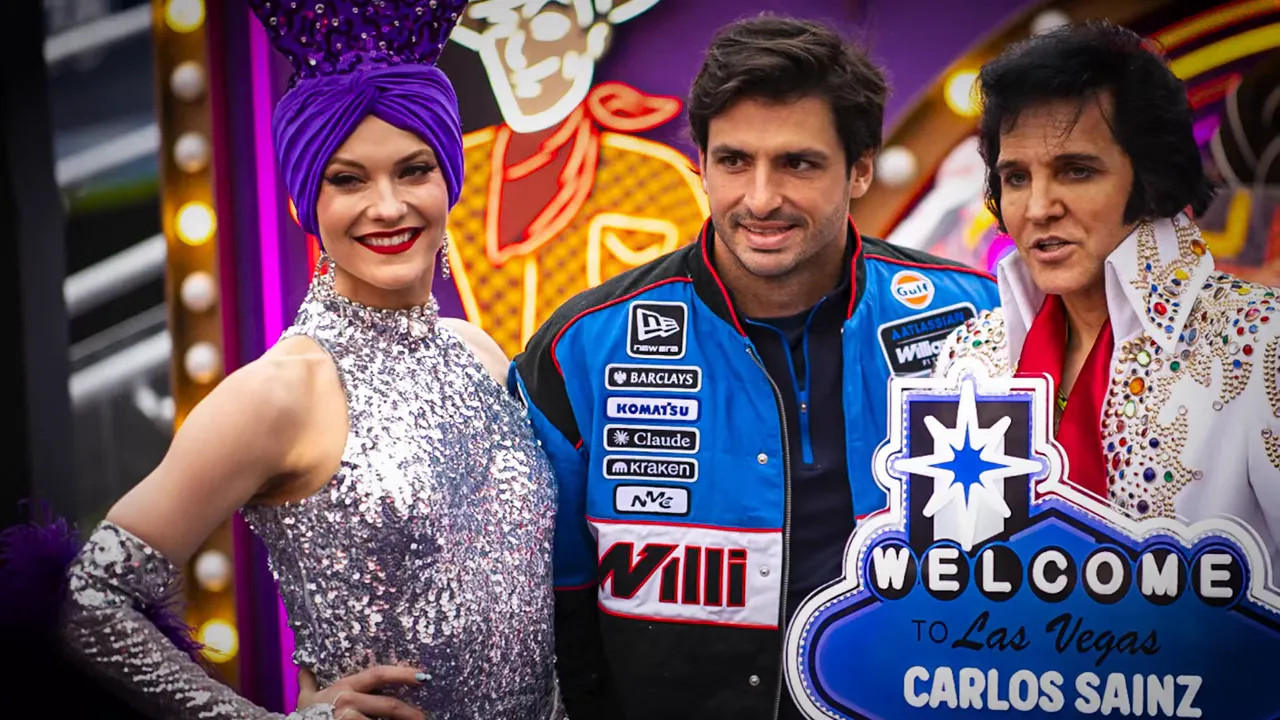
These touches are part of what separates this Grand Prix from the rest of the calendar. They are not going to appeal to everyone, but they fit the setting.
The important thing is that the entertainment did not have to compensate for dull racing. On this occasion, the spectacle around the circuit and the competition on it both delivered.
Photographing F1 Against the Sphere and the Strip
Las Vegas offers backgrounds that simply do not exist elsewhere on the F1 calendar. The Sphere is an obvious example, but making the most of it requires more patience than you might imagine.
I went out early, studied the changing graphics and picked out the designs I wanted behind the cars. The difficulty was that those designs did not run continuously during the race session. Much of the screen time went to advertising, sometimes in blocks lasting 3 to 5 minutes.
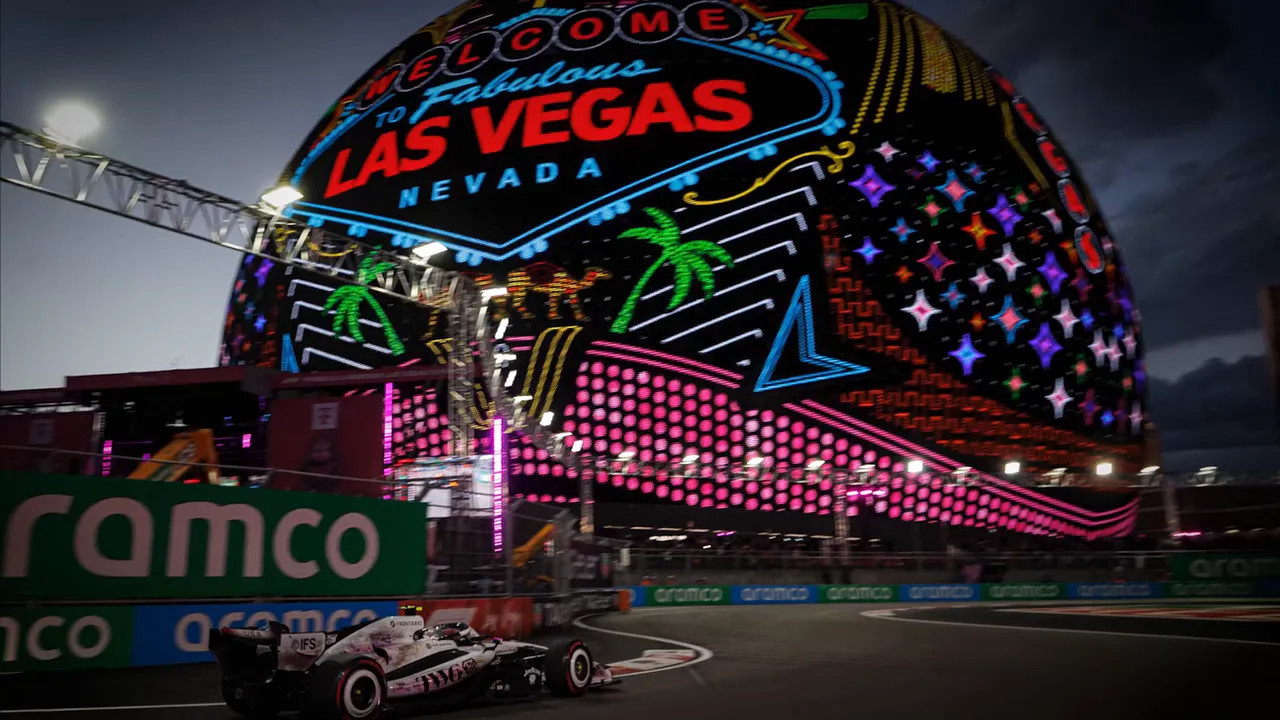
In the first 40 minutes, there were 2 periods of approximately 2 minutes each when the Las Vegas graphics I wanted appeared. Their timing was unpredictable, so I effectively waited for those short windows.
That is a useful reminder about photographing this event: the background can dictate the timing just as much as the car. Finding the composition is only part of the job. The right display also has to coincide with a car in the right place.
The Strip provides plenty of other opportunities. Bright signs and illuminated buildings can add enormously to a photograph, provided they register strongly enough in the background.
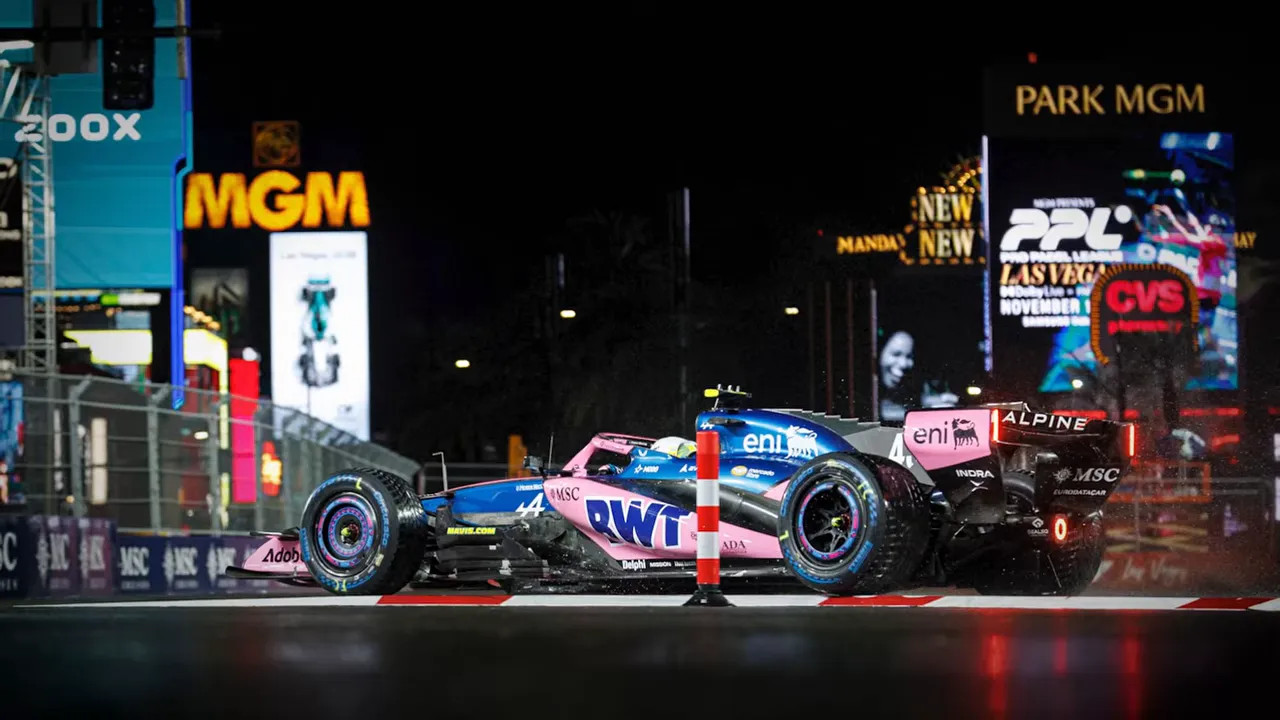
My favorite position is probably toward the end of the Strip, where the cars turn left. You can frame the scene with buildings on both sides and a darker area through the middle.
From the appropriate trackside position, shooting low keeps the fence out of the composition. The resulting photographs have a sense of place that is unique to this race.
Qatar Plans, Security Advice and an Early Team Photograph
After Las Vegas, attention turned to the Middle East. At the time of the weekend, the plan remained to travel to Qatar for the following race unless something changed dramatically.
I asked several teams whether staff had been offered the option not to travel if they felt unsafe. The answers varied. Some said that option had been explicitly offered. Others said there had been no specific announcement, although staff could raise concerns with a manager.
Broadcast attendance was less uniform. Canal+ and Sky Germany were not planning to attend, British Sky Sports personnel were expected to be there, and Viaplay’s position was still uncertain. Some journalists might also choose not to travel.
Toto Wolff made a sensible point: F1 and the FIA were obtaining specialist security advice. That deserved more weight than speculation on social media. Teams and accredited personnel had also been briefed on what to expect and how to behave.
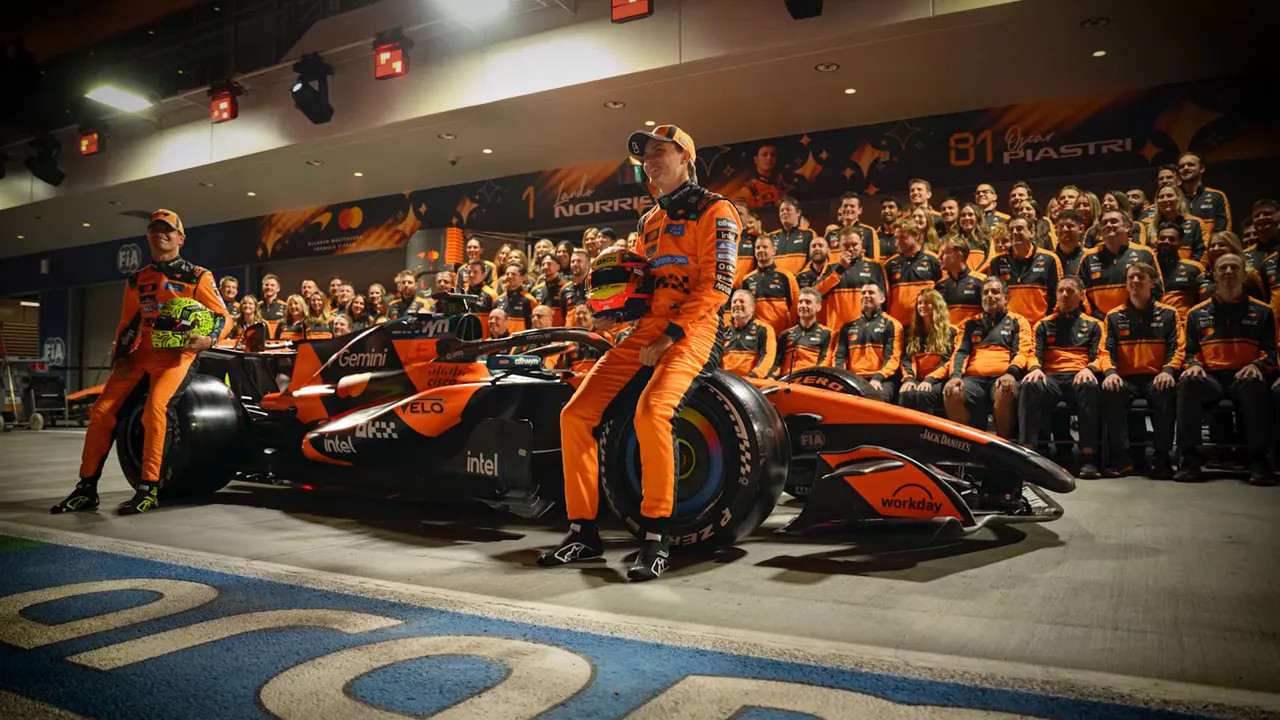
McLaren’s decision to take its end-of-season group photograph in Vegas caught my attention. Normally, that is left until the final race. I wondered whether doing it early was a precaution, but that was my interpretation rather than a confirmed explanation.
I also asked whether the FIA might bring forward the full drivers’ photograph as a backup. The answer was no. Its position was that taking such a precaution would conflict with its confidence in proceeding with the remaining races. The photograph was still intended for Abu Dhabi.
Away From the Grand Prix Circuit
There was time for some driving at Las Vegas Motor Speedway, too. At Dream Racing, the available selection ran to nearly 40 cars. My choice was a Ferrari 296 GTB, while Jayce selected a McLaren 750S.
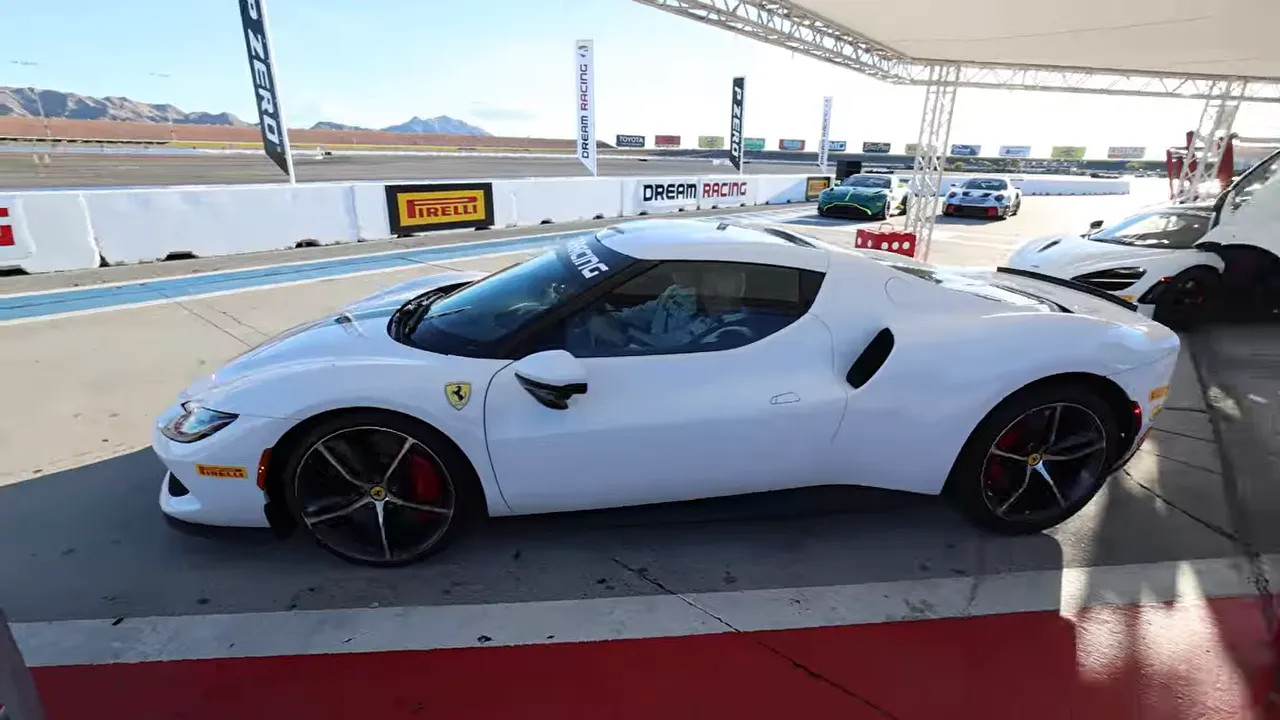
My quickest lap was 1 minute 2 seconds. The experience was a reminder that driving quickly is harder work than it can appear from outside the car.
I also drove a Vantage GT. Unlike the Ferrari session, that required a helmet. There was a spin, and although I thought I had caught it just before the barrier, the rear may have made a slight touch.
Friday morning brought a rather less frantic gathering outside the Venetian, where around 150 people came along to a meet-and-greet. The weather was beautiful, and Vegas is one of the few places where arranging that sort of gathering is relatively straightforward.
It rounded out a weekend that had plenty happening beyond the race itself. But the lasting impression was still the racing: repeated battles, a standout winning performance and a crowd that left buzzing. Las Vegas did not need everyone to love its style. It made its strongest argument on the circuit.
