

Monza delivered one of those Formula 1 days that will be talked about for years. Kimi Antonelli won the Italian Grand Prix from 19th on the grid, made 25 overtakes, and became the first Italian winner of his home race since Ludovico Scarfiotti in 1966.
It was Antonelli’s 7th career victory, and it extended his championship advantage over Mercedes teammate George Russell, who finished 2nd after starting alongside Pierre Gasly on the front row. Max Verstappen completed the podium.
A Home Victory 60 Years in the Making
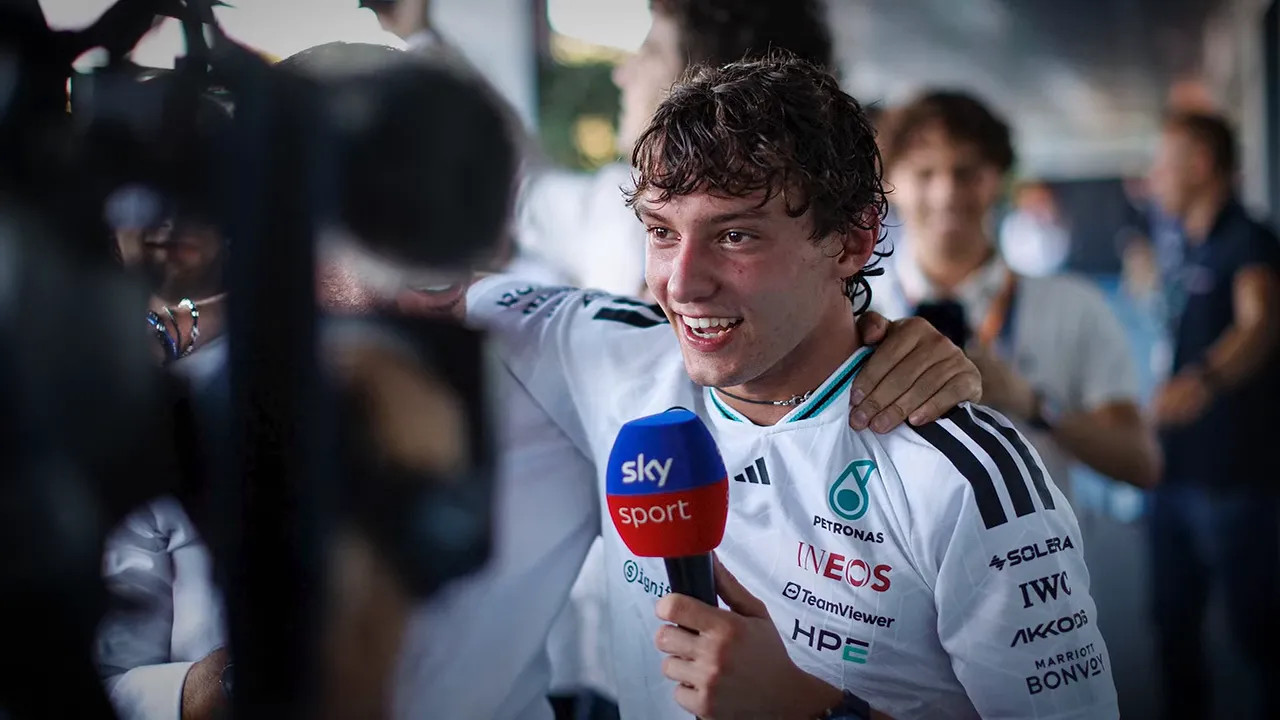
The scale of Antonelli’s achievement is enormous. Starting 19th at Monza and winning at any circuit is serious work. Doing it at the Italian Grand Prix as an Italian driver, after a 60-year wait, is something else entirely.
The racing was relentless. From Turn 1, there seemed to be an overtake or near-overtake every 2nd or 3rd lap. Some will say Monza is no longer quite the Temple of Speed it once was, with the cars reaching around 315 km/h rather than the 350 to 360 km/h figures seen at other tracks. Fair enough. But for anyone trackside, the speed still looks astonishing, and a race full of passing is hard not to enjoy.
Antonelli eventually got past Russell in the closing laps and made the result stick. Russell brought the other Mercedes home in 2nd, while Verstappen was 3rd. For Italy, and particularly for the fans who packed Monza from early morning, it was a proper sporting moment.
From the Cooldown Room to a Wild Pit Lane Celebration

The race finish was only the beginning. Antonelli came out of the cooldown room completely soaked, was quickly stopped by Sky Sport Italia, and then made his way through the television media area before attending the FIA press conference.
After that, it was time for the Mercedes celebration in pit lane. The shirt did not last long. Antonelli was lifted onto a crew member’s shoulders and carried towards the pit wall, where an extraordinary number of people had gathered on the track below.
He threw hats into the crowd, with thousands of people trying to get as close as possible to the podium area. The atmosphere was spectacular, but the conditions were brutally hot. One person needed assistance after fainting in the crowd, a reminder of just how tightly packed the track invasion became in the heat.
It was 34°C at Monza, and even a camera positioned in the Paddock Club area overheated and stopped working. That gives you some sense of the conditions faced by those standing shoulder-to-shoulder on the circuit surface.
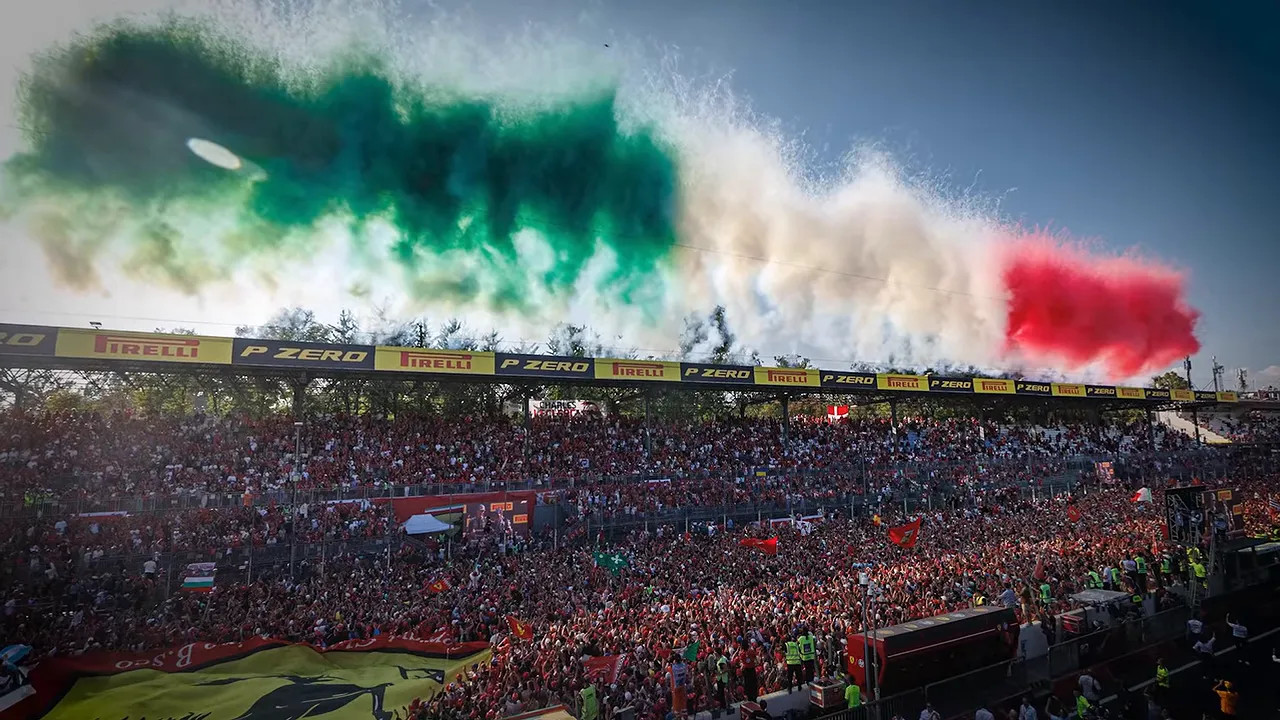
There is little doubt that the Monza podium remains one of the great scenes in world sport. Tens of thousands of people, the Italian tricolore smoke, the teams lining pit lane, and a home winner standing above it all. Antonelli’s family were there to see it, which made it even more special.
The Trophy, the Crowd and Another Kimi at Monza
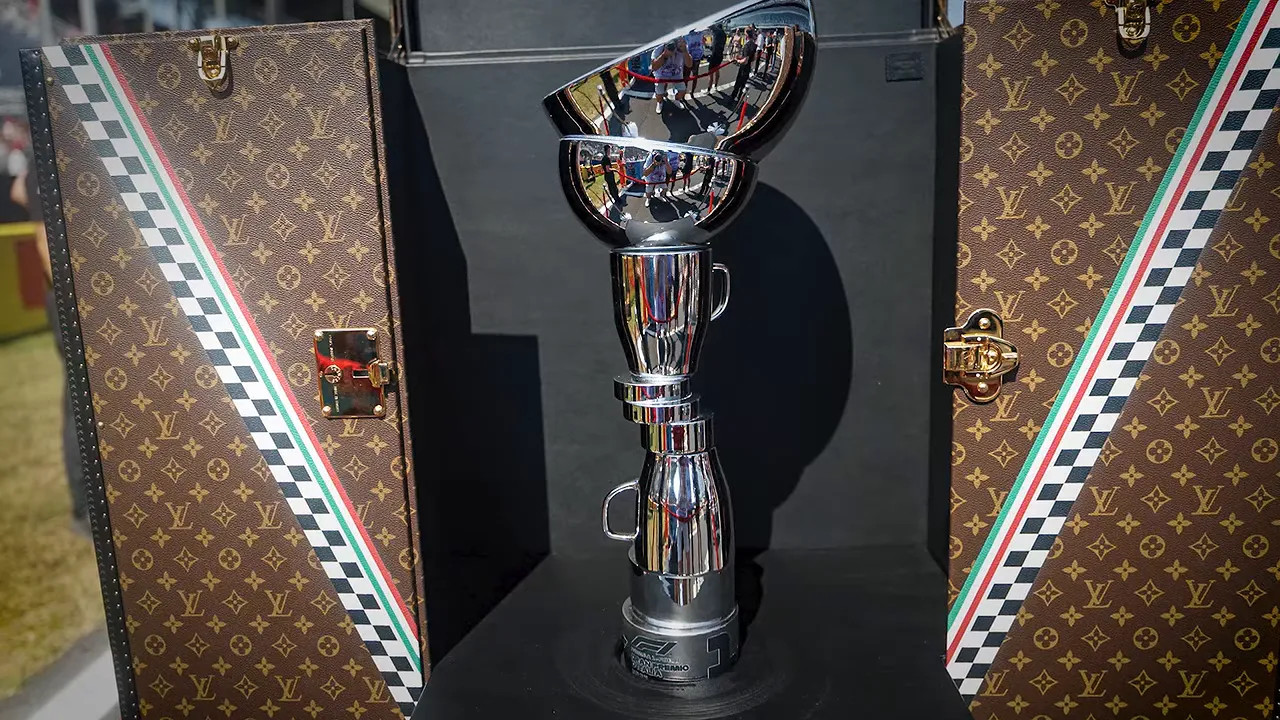
The trophy itself had attracted plenty of criticism before the race, with some comparing it to a dish rack or dishes in the sink. Up close, it looked better than expected. More importantly, Antonelli had no trouble finding a use for it after the podium, taking a drink from the enormous silver cup.
Among the familiar faces in the paddock was another Kimi, 2007 world champion Kimi Räikkönen. He attended with his wife Minttu and their children. With a home near Como, less than an hour from Monza, it is an easy enough trip for the Finn, who is now enjoying his son’s karting progress.
Räikkönen was dressed in his usual straightforward style, a simple black T-shirt, but remains hugely popular whenever he appears in the paddock.
Pierre Gasly’s First Pole Position Was One of the Weekend’s Best Stories
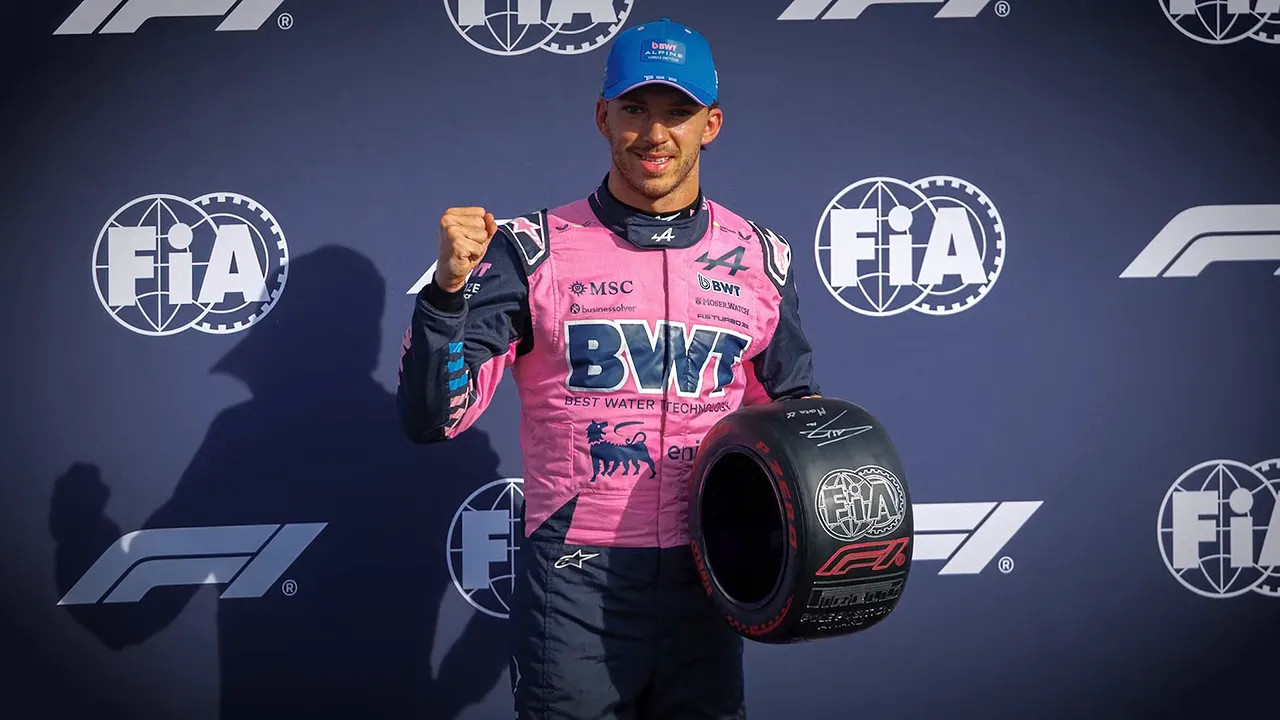
Antonelli’s victory was the headline, but Pierre Gasly’s first Formula 1 pole position was another lovely result for the sport. It was one of those moments that everybody in the paddock could appreciate.
Gasly’s parents were there for it. During FP3, his father Jean-Jacques was spotted at the back of the Alpine garage with his fingers crossed. Apparently, he keeps them crossed through every session and every race. It cannot be particularly comfortable, but on Saturday it finally paid off.
Before the race, Gasly sat on pole after his reconnaissance laps, removed his helmet, looked down the empty straight ahead and remarked on the view. It was a rare, relaxed moment shortly before a Grand Prix start. He knew exactly how special it was to have nobody in front of him at Monza.
Finishing 7th was considered the realistic maximum for Alpine, so that is still a strong return. The team had plenty to celebrate after qualifying, and the friendly banter between garages was alive too. As Alpine mechanics left on Saturday evening, Ferrari personnel shouted “Alpine, Alpine, Alpine” in recognition of the pole.
Monza Still Feels Like Monza, Even as Change Approaches
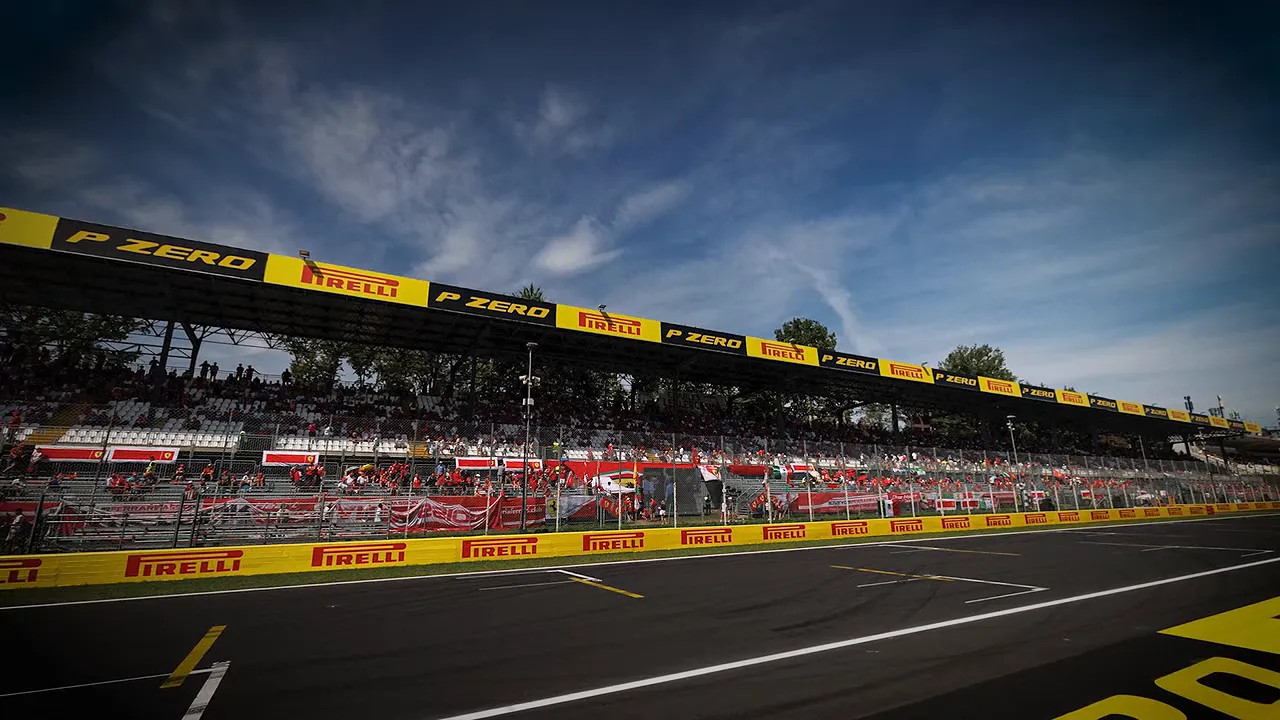
If you have never been to the Italian Grand Prix, Monza is well worth the trip. It feels local, accessible and gloriously unpolished compared with some modern circuits. The place has character in spades.
That said, change is coming. The grandstand along the pit straight is expected to be demolished and replaced with a more modern structure. With government funding involved, progress may not be speedy, but 2028 is the target for a smarter and more contemporary facility.
Monza also enjoyed a lovely pre-race moment when Sebastian Vettel drove the Ferrari F2002. The sound was magnificent, wildly different from the current generation of cars. No hybrid system, no batteries, just an old-school Ferrari Formula 1 engine making the sort of noise that brings the grandstands to life.

Ferrari’s own race did not produce the result the Tifosi wanted. Charles Leclerc retired early, while Lewis Hamilton finished 6th. Still, an Italian winning at Monza gave the home crowd something close to the dream outcome.
Ferrari staff also wore special event shirts for race day. Fresh from their packaging in the morning, the shirts still showed their crease marks. Fifteen minutes into the race, the heat had made sure they did not stay pristine for long.
A Packed Paddock and a Few Driver Market Notes
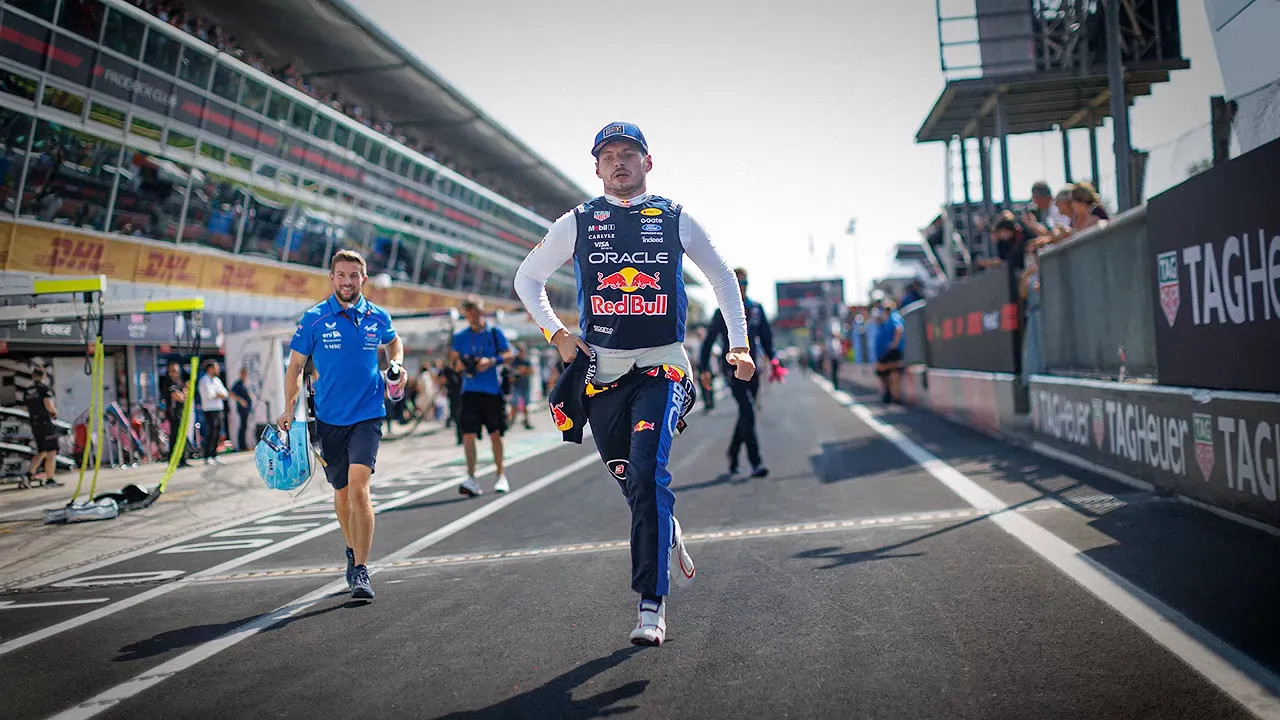
The paddock was as crowded as a shopping centre in the week before Christmas. Getting a clean photograph of an F1 driver is difficult at the best of times. Add a full Monza paddock, intense heat and constant movement, and it becomes nearly impossible.
Max Verstappen nearly added to the drama by arriving very late for the national anthem. His garage is at the far end of the paddock, and he was sprinting to make it. He appeared to arrive just in time and avoid a fine.
There were also a few paddock whispers worth noting. Yuki Tsunoda and Liam Lawson are expected to drive at Madrid, although official confirmation had not yet been made. Isack Hadjar is expected to sit out another race, with his Baku status still unclear.
Jack Doohan was also at Monza and has a Haas test scheduled for the middle of the month. Haas had not confirmed its driver pairing for the following season, leaving several drivers in the hunt for a seat.
Why Formula 1 Races Could Be Shorter in 2027

A significant technical and sporting change is being discussed for 2027. Races could be approximately 15 km shorter, trimming roughly 5% from the distance and potentially cutting about 5 minutes from a Grand Prix.
There may also be only 1 permitted pre-race lap before cars form up on the grid. The reason is tied to the changing power-unit regulations. With less electrical energy deployment and more work expected from the internal combustion engine, the cars would require more fuel.
A larger fuel tank would mean costly development work. Reducing race distance instead allows teams to work with much of what is already built into their cars. It is an interesting compromise between technical ambition, cost control and practical racing operations.
Madrid Preparations and the Challenge of a New Event

The next stop is Madrid, where preparations for the first event are still presenting some challenges. Reports of copper cabling stolen from the site certainly will not have helped.
New events built to a tight deadline often have teething problems. Jeddah and Las Vegas are good examples. The race should go ahead, but some of the facilities that organisers hoped to have polished may be more basic than intended.
The most intriguing feature is La Monumental, the big horseshoe-shaped banked turn. It will be fascinating to see how it works in reality and what the sightlines are like from around the circuit.
Ticket access is an important practical consideration. The circuit is divided into sections, and those in the pit straight zone may not be able to access the La Monumental zone, and vice versa. Getting the entrance wrong could mean a very long walk, so it is worth checking ticket information carefully before arriving.
Monza’s Unforgettable Day
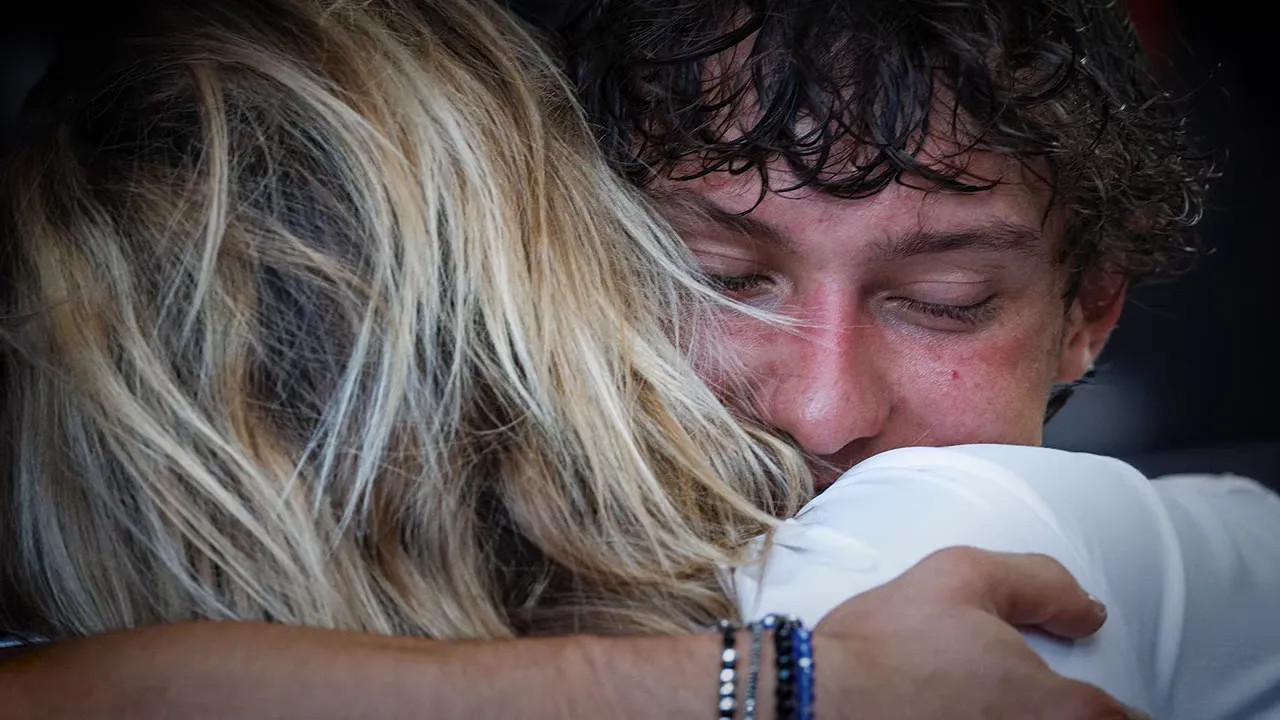
Antonelli’s win was about more than numbers, though the numbers are extraordinary: 19th to 1st, 25 overtakes, a 7th career victory and the first Italian winner at Monza in 60 years.
It was about a young Italian driver standing on the top step at the country’s most emotional Grand Prix. It was about family, a packed circuit, heat, noise, tricolore smoke and the sort of crowd that makes Monza unlike anywhere else on the F1 calendar.
For one weekend, the tifosi did not get a Ferrari on the top step. They got something that felt every bit as meaningful: an Italian winner at the Italian Grand Prix.
Italian Grand Prix FAQ
How far back did Kimi Antonelli start at Monza?
Antonelli started the Italian Grand Prix from 19th on the grid and won the race.
When was the previous Italian winner of the Italian Grand Prix?
Ludovico Scarfiotti was the previous Italian driver to win the Italian Grand Prix, doing so in 1966.
Who joined Antonelli on the Monza podium?
George Russell finished 2nd and Max Verstappen finished 3rd.
Why could Formula 1 races be shorter in 2027?
The proposed reduction in race distance would help teams manage fuel requirements under regulations that place greater emphasis on internal combustion engine power and reduce battery deployment.
