

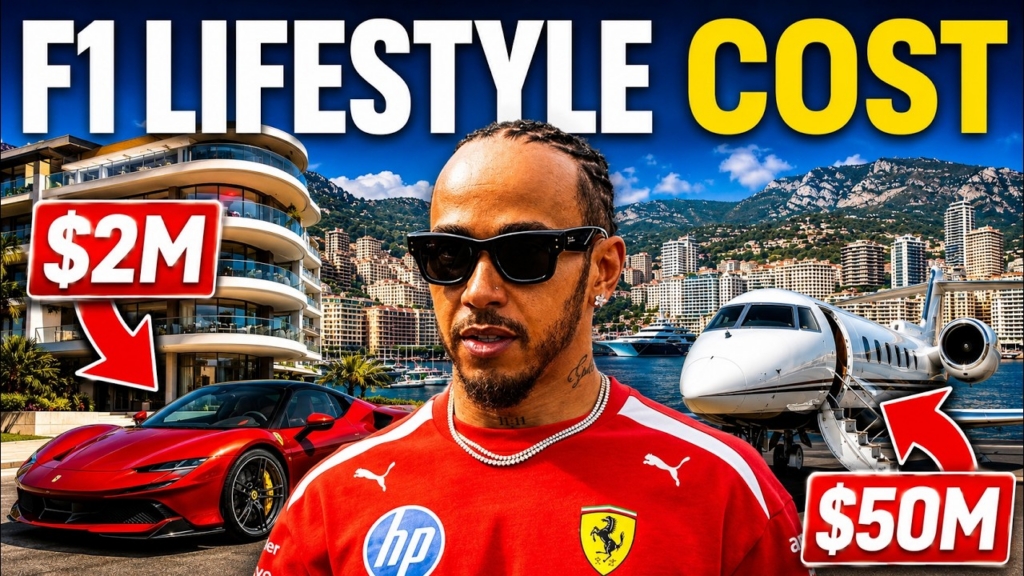
Formula 1 drivers at the very top of the grid earn enormous sums, but the outgoings can be just as eye-catching. Private flights, Monaco apartments, security, staff, luxury hotels, holidays and cars all form part of the lifestyle surrounding a world champion.
To put real numbers around it, consider a fictional top-tier driver: a World Drivers’ Championship winner at a leading team, with 30,000,000 social followers. On a $40,000,000 team contract plus $15,000,000 in private sponsorships, that is $55,000,000 in yearly income before the support network and lifestyle start taking their bite.
The Team Behind a Top F1 Driver
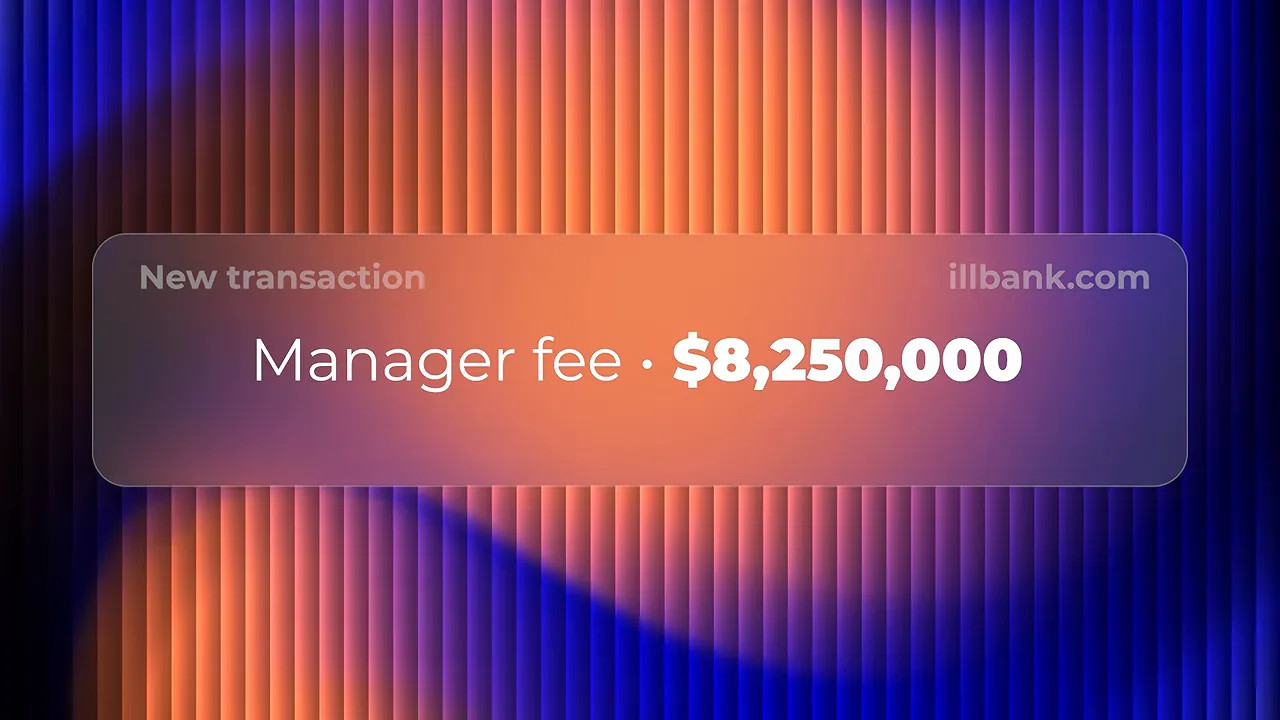
The first enormous deduction is the manager. An experienced manager can take between 10% and 20% of a driver’s earnings. Using 15% for this example, that is $8,250,000 straight away. Add around $120,000 for the manager’s race travel and accommodation, and this single relationship is already costing a fortune.
That is only the beginning. A leading driver is effectively running a small personal operation, particularly when private sponsors, media commitments and travel schedules are involved.
- Private assistant: $120,000 a year, plus roughly $20,000 for travel and accommodation at selected races.
- Personal photographer: $80,000 a year, plus about $60,000 for travel and accommodation.
- Social media agency: approximately $90,000 a year.
- Security: $225,000 for 150 days of cover, plus an estimated $130,000 in travel costs.
A personal photographer is not simply there for glamorous paddock shots. Drivers with large social audiences and personal sponsors need exclusive images for their own channels, campaigns and appearances. Lewis Hamilton, for example, is often photographed during paddock shoots connected with his personal style and sponsor commitments.
Social media support can look like an expense, but it is also an income generator. A single story post on the account of a major F1 name may command $20,000 or more. The agency costs money, but a strong platform can return far more.
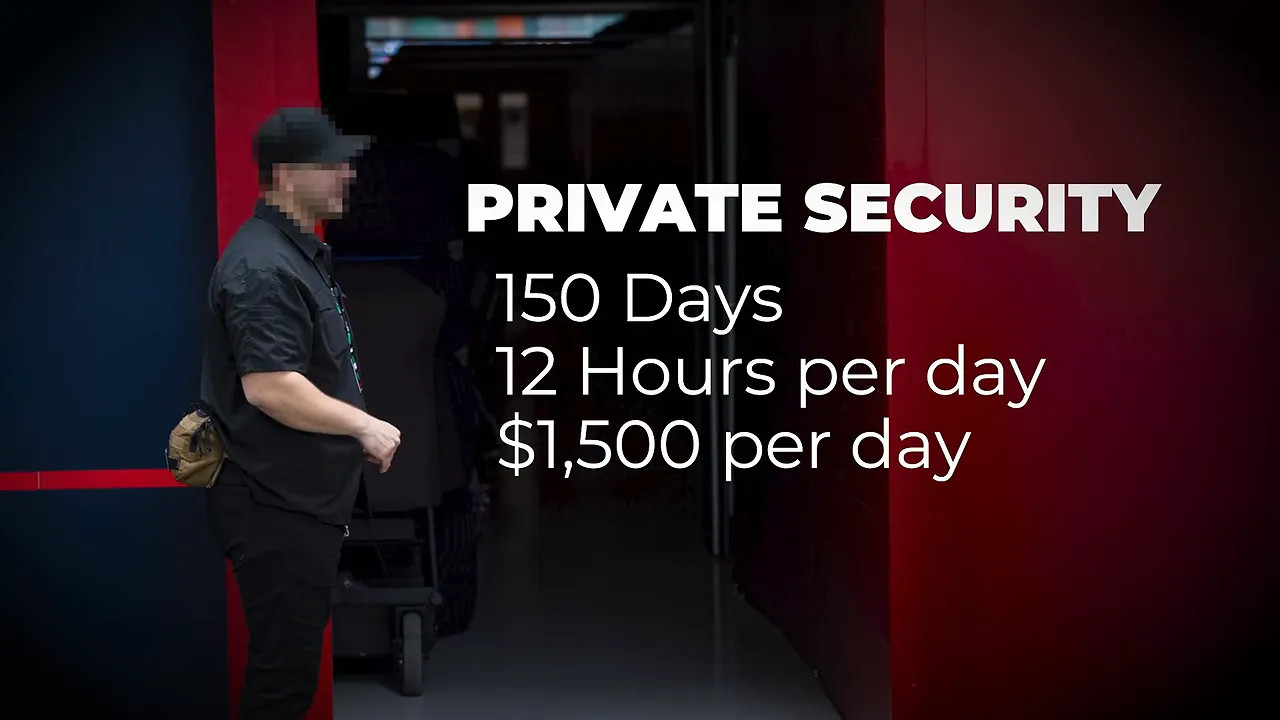
Security is another major commitment. Popular drivers attract crowds at race weekends, sponsor events and private travel. One guard for 150 days at 12 hours per day, calculated at $1,500 a day, comes to $225,000 before travel. Some high-profile drivers use 2 or even 3 security personnel at certain events, although promotional appearances may see those costs passed on to the sponsor.
Accountants, Lawyers and the Cost of Staying Organised
At this level, accountants and lawyers are absolutely vital. A good accountant helps a driver manage residency, tax structures and income flowing from teams, sponsors and other ventures. For this estimate, allow $200,000 a year for accounting.
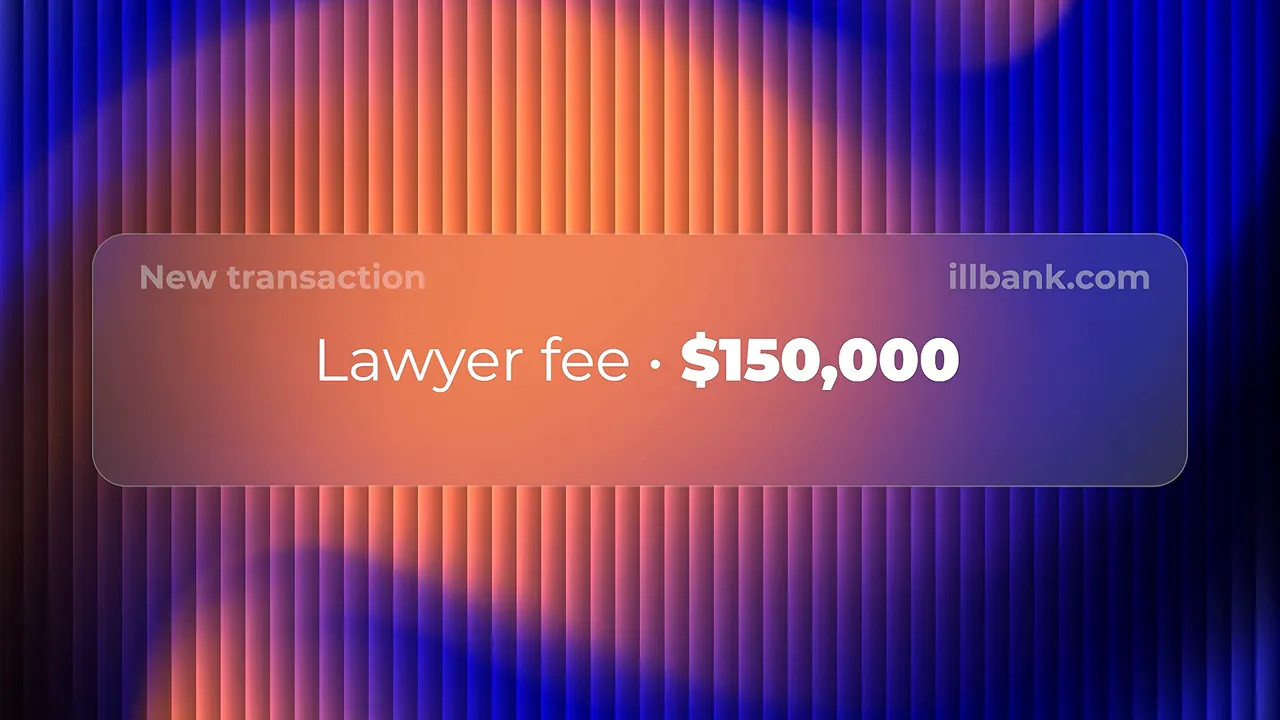
Legal advice is equally important. Contracts with teams and sponsors can be extremely complex, and disputes with former managers can be expensive. An annual legal budget of $150,000 is sensible for a top driver, although an active dispute could push that number far higher.
By the time management, staff, security, accounting and legal fees have been counted, this fictional driver has spent nearly $9,500,000. And that is before accommodation, flights, holidays or retail spending.
Why Monaco Is So Expensive for F1 Drivers
Monaco remains the obvious base for many F1 drivers. It is safe, picturesque, close to major European travel routes and, for qualifying residents, offers significant personal tax advantages. But the property cost is remarkable.
An online search can uncover tiny service rooms for around $800 a month, but that is clearly not where a world champion with a team of staff, sponsors and a high public profile is likely to live. At the other end of the scale, premium apartments in Monaco developments can cost $170,000 a month, with some listings climbing to $345,000 a month.
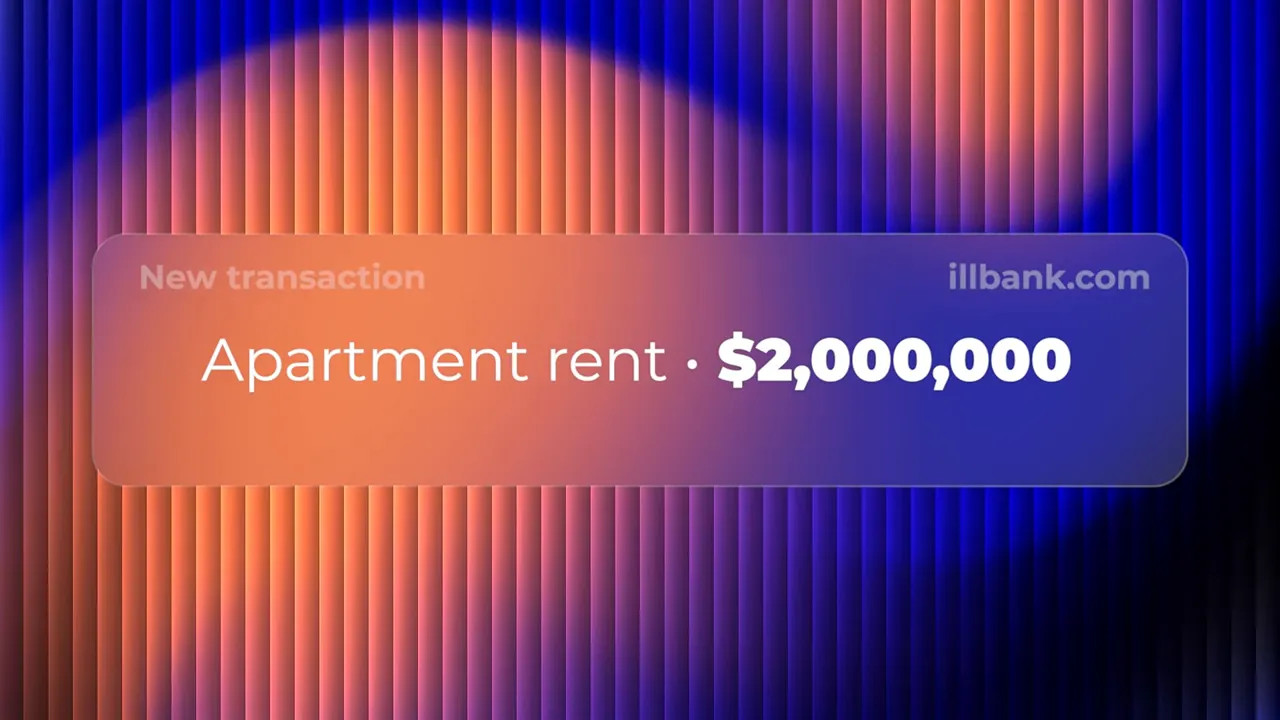
For this calculation, allow $2,000,000 a year for Monaco rent. Even then, the driver may only spend around 2 thirds of the year there because the F1 calendar keeps them on the move.
Hotels become another line item. Teams sometimes arrange accommodation or provide an allowance, but it is still a cost associated with the driver. During race weekends, top drivers are generally not checking into budget hotels. They need privacy, security and proximity to the circuit.
Properties near circuits or paddocks come at a premium. A driver might choose a hotel such as the Dolder Grand near Spa, a high-security property in Mexico City or São Paulo, or even a cruise ship in Monaco where the paddock is an 8-minute walk away.
European rounds can require only 3 nights if the driver flies in on Thursday and leaves on Sunday. Fly-away events, back-to-back races and triple-headers demand much longer stays. At 125 nights averaging $1,100 a night, the hotel budget reaches $138,000.

Private Jets and Commercial Flights
Flights are the big one. A driver can easily take 100 flights a year. Some top names own private aircraft, while others use commercial services or team arrangements depending on the journey.
Assume the driver owns a $50,000,000 private jet financed with an interest-only loan at 5%. The annual interest cost alone is $2,500,000. Then come maintenance, airport fees, crew and fuel. On the high side, allow another $2,500,000 for operating costs.
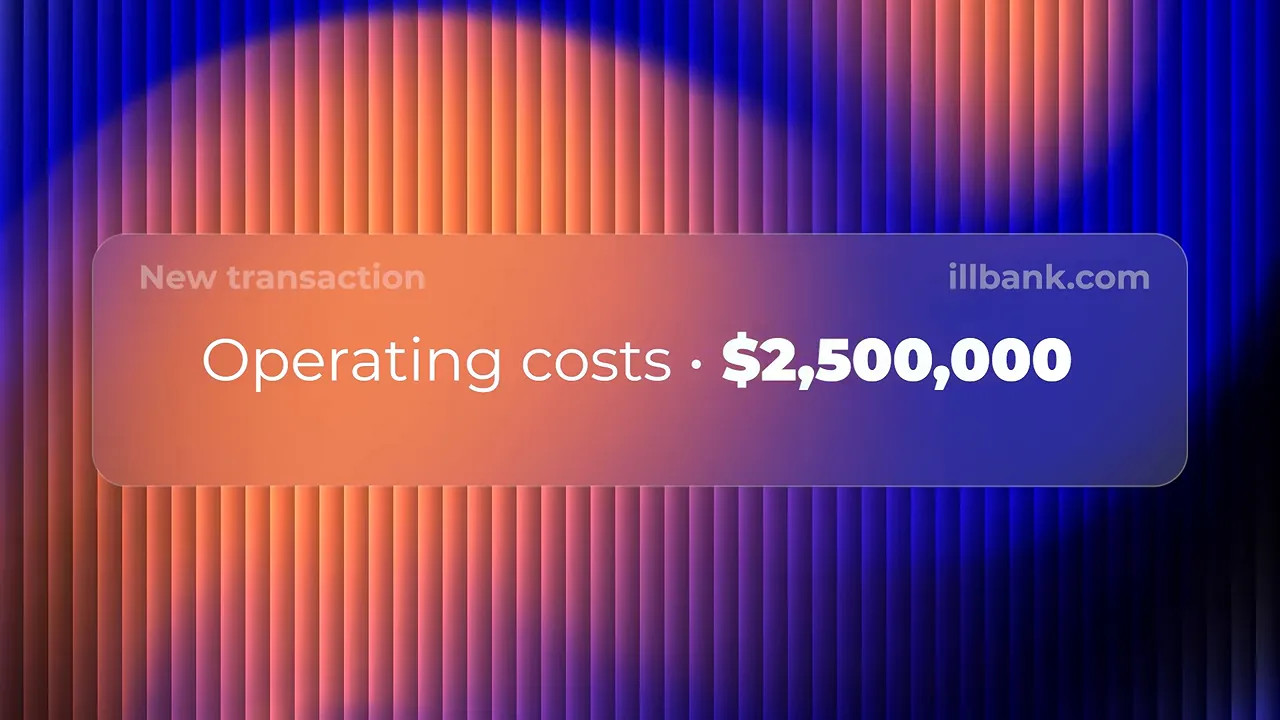
There is an important offset here. A driver with an aircraft may charter it out through an outside agency, potentially recovering some operating costs. That potential income is not included in this estimate.
Even private-jet owners may use commercial flights for some long-haul routes. First-class and business-class travel to Australia, China, Japan, Singapore or Brazil can add another $120,000 over the year.
Not every driver travels this way, of course. Younger or less established drivers can still be found in economy, while others take commercial flights alongside ordinary passengers. The full private-aviation lifestyle belongs to a small group at the very top.
Holidays, Dining and Life Away From the Circuit
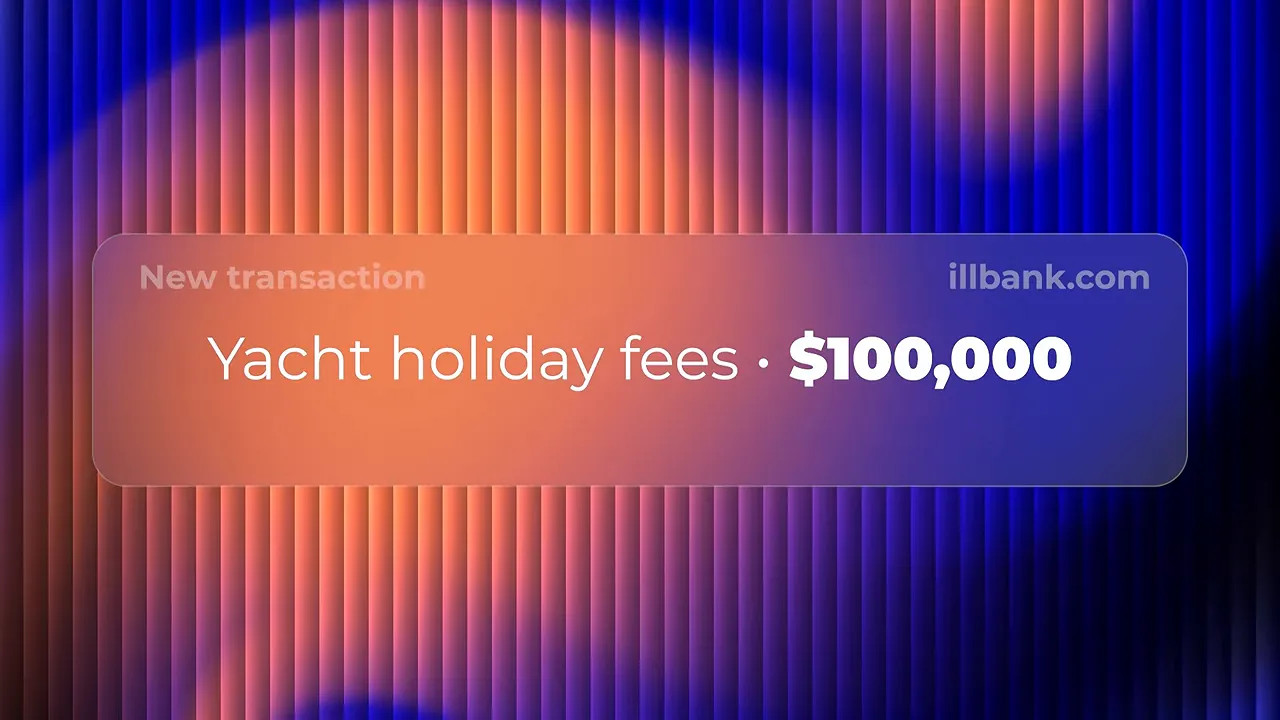
The calendar may be relentless, but drivers still take holidays. A 2-week yacht trip in the south of France with friends can easily be budgeted at $100,000. Add a couple of weeks at leading ski resorts or other 5-star destinations, and another $30,000 is entirely believable.
Dining is another steady cost, particularly in Monaco. Budget 75 restaurant nights a year at an average of $300 for 2 people and the total is $22,500. Drivers generally eat carefully at the circuit, relying on team chefs for familiar, safe and low-calorie food, but there are still dinners at home and occasional big nights out.
- Restaurant dining: $22,500
- Nightclub visits: $25,000
- Groceries: $10,000
These figures are modest beside management fees and jet costs, but they show how all the little lifestyle decisions continue to accumulate.
Fashion, Watches, Hobbies and Cars
Top-tier F1 drivers spend heavily on fashion. Some receive clothing through sponsorship arrangements, but looking sharp in the paddock, at events and on social channels still comes at a price. A $50,000 annual fashion allowance is conservative for a driver at the very top.

Watches are a particularly interesting category. Several drivers are collectors, and the right models can be appreciating assets rather than simple purchases. Access to sought-after pieces can make a significant difference. For this example, the allowance is $150,000 for watches and $20,000 for jewellery.
Then there are the toys: jet skis, motorbikes and golf memberships. Throw another $30,000 into the annual lifestyle total for those hobbies.
Finally, there are cars. Many leading drivers collect rare luxury cars, often acquiring one each year on top of team cars or bonus vehicles. The cars can appreciate, especially when previously owned by a driver with the profile of Lando Norris, Lewis Hamilton or Charles Leclerc.
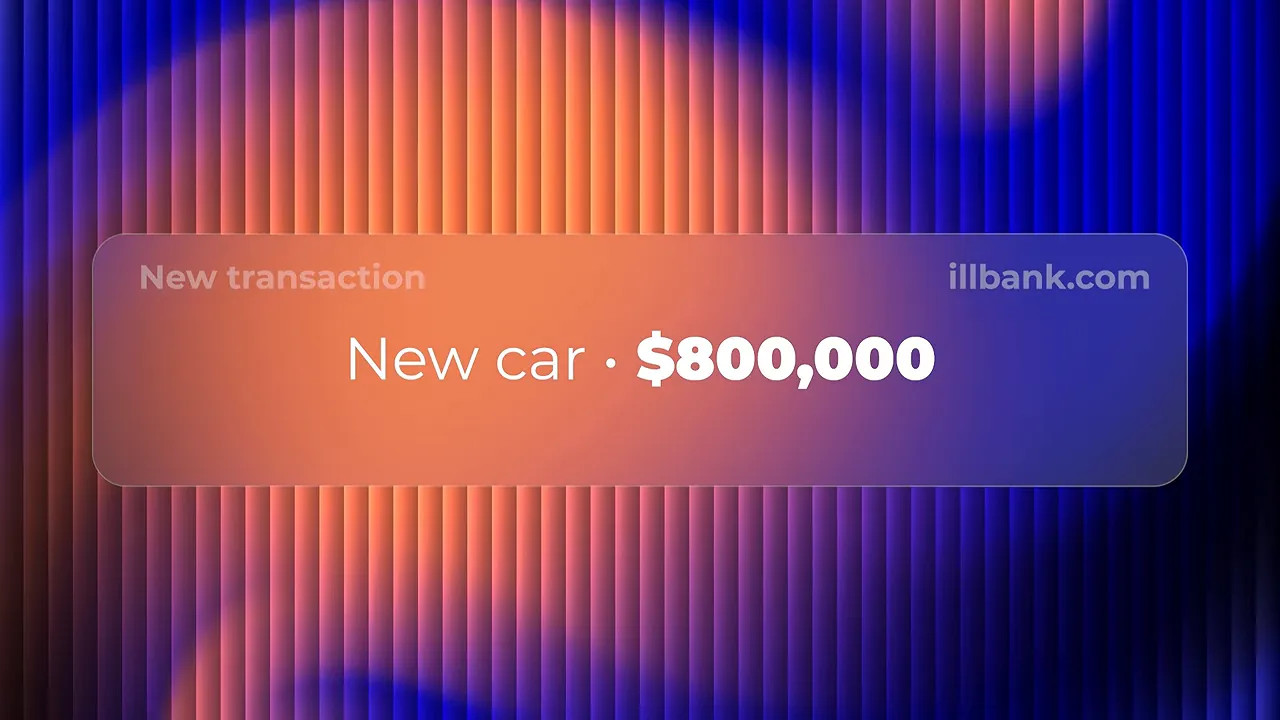
Allow $800,000 for a new addition to the collection, then factor in maintenance, insurance and secure storage. It is easy for the vehicle line to climb well beyond the initial purchase price.
The Estimated Annual Total: $18,018,500
Put all of these categories together and the annual figure for this fictional champion reaches approximately $18,018,500.
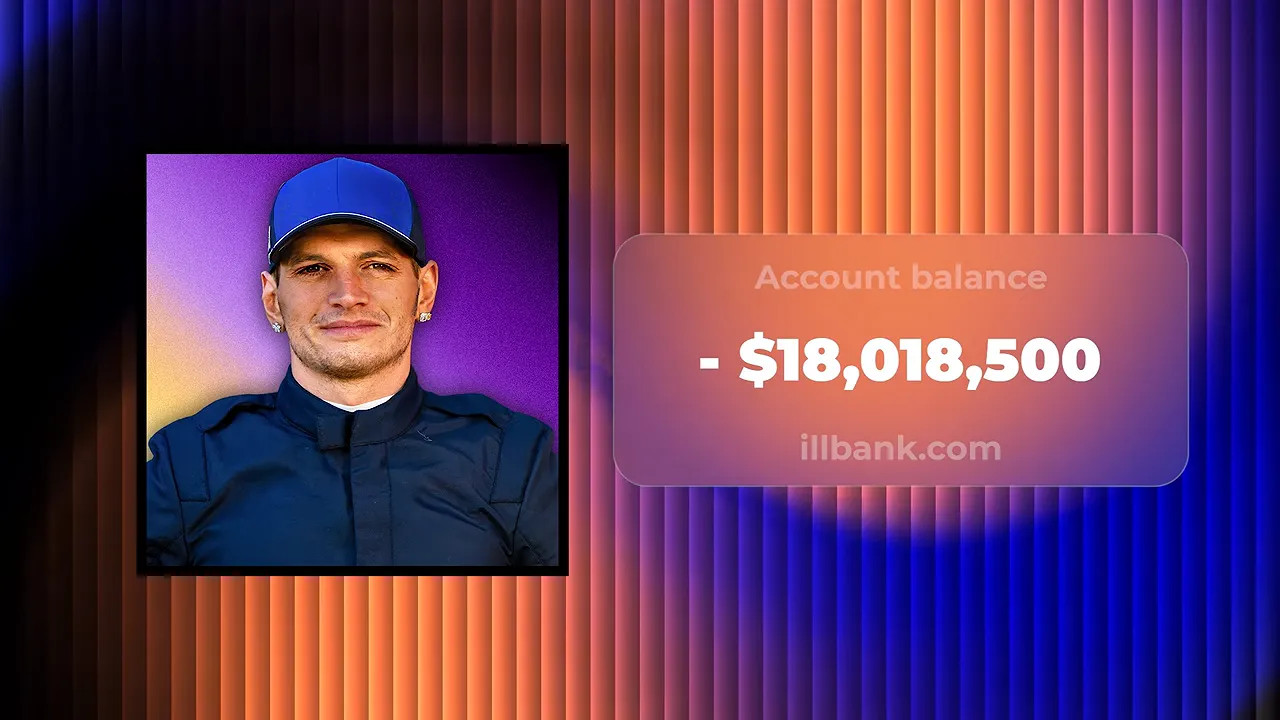
That does not mean every dollar comes directly from the driver’s personal account. Teams may cover or arrange certain travel and accommodation. Sponsors can reimburse security for appearances. A private jet might earn charter revenue. Watches and rare cars may increase in value. Still, it gives a clear picture of the extraordinary money swirling around the top of Formula 1.
Tax, Monaco Residency and the Short F1 Career Window
Tax is where the calculation becomes more complicated. Monaco residents generally face no personal income tax, which is one reason it remains so attractive to F1 drivers. French drivers do not receive the same benefit, because France’s agreement with Monaco does not allow the principality to offer the tax-free arrangement to French residents.
British drivers also need to be cautious about the time they spend in Britain. Too many days there can create a substantial tax exposure. Some countries tax drivers based on income earned while working within their borders. Australia is one such example, which helps explain why drivers often leave quickly after the race rather than staying for extra days.
There is no question that a leading F1 driver gets access to the best transport, hotels, food and lifestyle imaginable. But the money is not simply handed over for nothing. Most drivers spend 10 years or more earning next to nothing as they climb through karting and junior formulas.
And the genuinely lucrative period can be brief. For most drivers, a career at the highest level lasts no more than 5 years. Around 10% reach 10 years or more. Only Lewis Hamilton and Fernando Alonso have raced for more than 20 years in Formula 1.
That is why the top drivers work hard to protect their earnings. The lifestyle may be insane, but the career window is far shorter than most people realise.
