

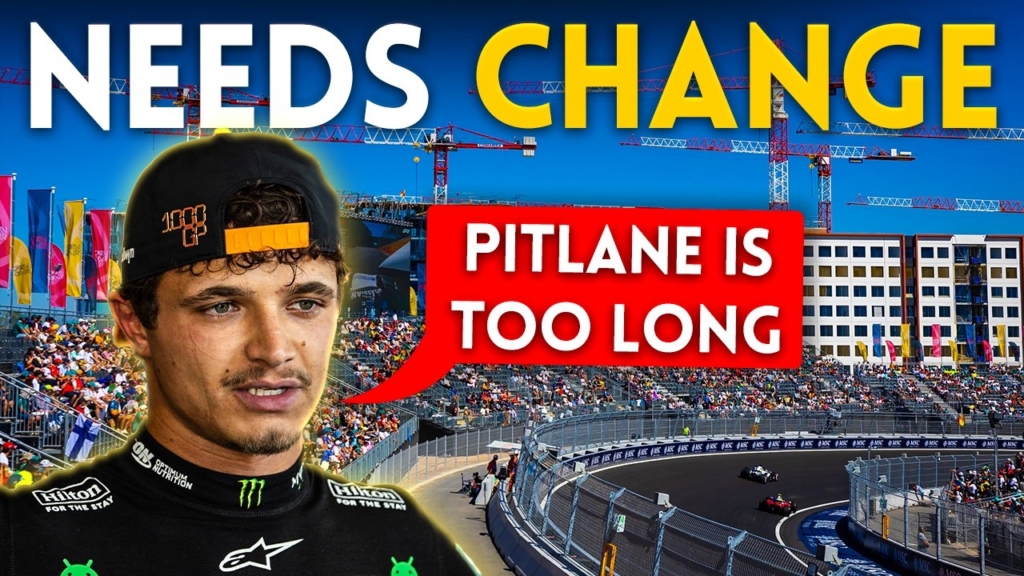
The first Formula 1 Spanish Grand Prix at Madring was far from a disaster. In fact, as a debut event, there was plenty to like: a strong atmosphere, packed grandstands, sensible food pricing, good public transport and a city with an enormous range of accommodation.
But the racing was disappointing. After the excitement of the previous round, the Madrid race felt flat, and the circuit needs meaningful changes before Formula 1 returns. With Madrid locked into the calendar for another 9 years, there is ample reason to get it right.
A Great Madrid Event, but a Circuit That Needs Work
Madring has the scale of a large amusement park or a film set. It is spread out, busy and visually impressive, and the overall feeling around the venue was positive. The crowd appeared happy, the facilities were largely ready and access to the circuit was better than many expected for a first-year event.
The big problem was the on-track action. Overtaking was too limited and the race lacked the tension and movement that a strong street circuit should generate. Several drivers pointed to sections that need attention, particularly Turn 5 and the final sequence of Turns 18 and 19.

Lando Norris was particularly direct in his assessment. He regarded Turns 18 and 19 as ineffective and made clear that changes would make him far more enthusiastic about returning. The Turn 5 entry is another obvious candidate for revision. Widening it could create a better braking zone, open up alternative lines and give drivers a more realistic chance of launching an overtake.
There is also the matter of the pit lane. At roughly 562 m and around 25 seconds from entry to exit, it is the longest pit lane of the season. One suggestion has been to split it into 2 separate speed-limiter zones, reducing the strategic penalty of a pit stop and potentially making race strategy more interesting.
Formula 1 and the circuit organisers will hold discussions in the weeks ahead. The expectation should be that Madrid returns in 2027 with a revised layout rather than simply hoping the racing improves on its own.
Access, Transport and the Challenge of a Split Venue
For all the criticism of the track, the transport operation deserves credit. A reported 3-minute wait for a train at 17:30 on Friday is outstanding for a Grand Prix weekend, while those with parking passes found the arrival and departure process remarkably smooth.
Madrid is also well suited to hosting Formula 1 because there are so many hotels within reasonable reach of the circuit. Like Singapore and Las Vegas, it offers numerous accommodation options rather than forcing everyone into a narrow area around the track.
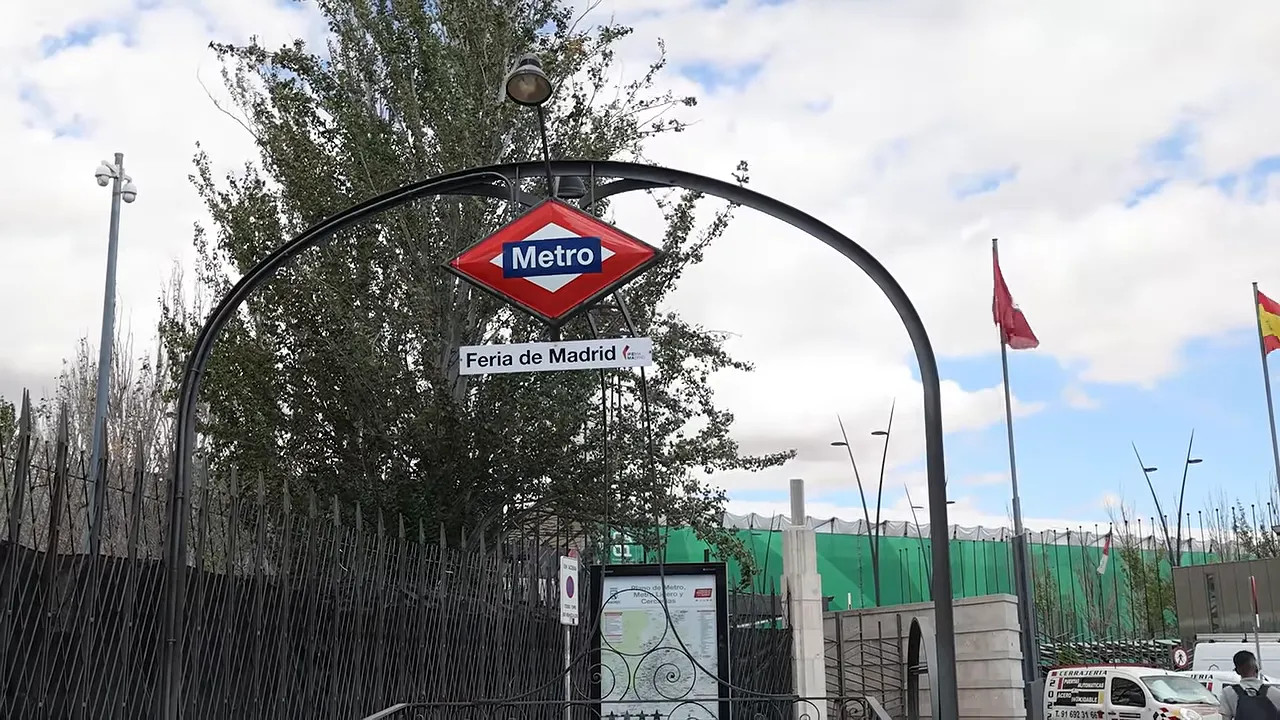
Inside the venue, however, the separation between the north and south zones caused frustration. A freeway runs through the middle of the site, preventing people from moving freely between the 2 areas. Solving that will not be simple, but it is a legitimate concern for a venue designed to feel like one large event.
The paddock layout was also unusual. Hospitality suites were positioned a long way from the garages, making every paddock journey a substantial walk. It works as a one-off novelty, but it is not a format that should be copied across the calendar. Plans are reportedly being considered to move hospitality closer to the teams next year.
Security and Rules Need More Consistency
Some of the more troubling stories from the weekend concerned the handling of accredited photographers. One photographer was reportedly manhandled by police after a verbal disagreement about crossing the circuit, while another was removed from a grandstand position, had equipment and accreditation taken away, and was detained for around 20 minutes before being allowed to return to work.
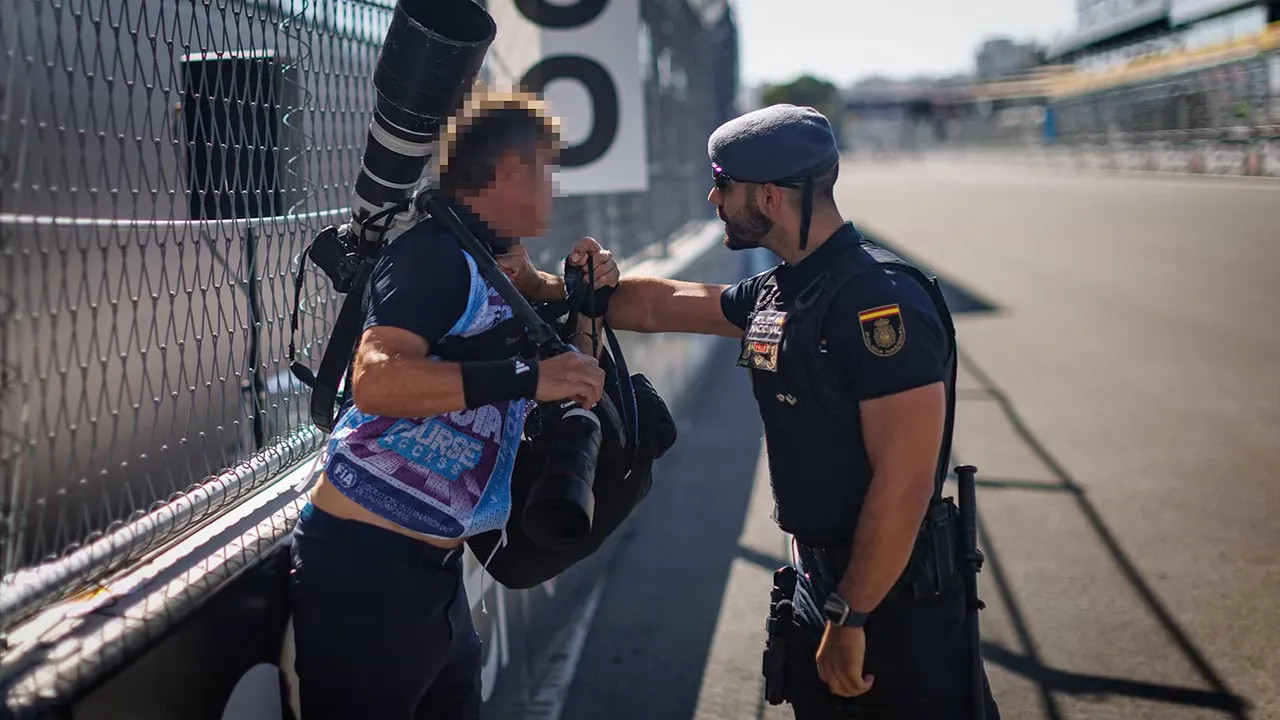
Firm security is necessary at a Formula 1 event. But it needs to be proportionate, consistent and clearly communicated, particularly when credentialed media are carrying out their jobs in approved locations.
There was similar confusion around pit lane clothing requirements. Paulina Montoya, sister of an F2 driver, was linked to a €500 fine after entering pit lane in a skirt that did not meet the stated below-the-knee requirement. The difficulty was that the required distance from the cars and the clothing expectations were not clearly understood at the time.
Rules are rules, of course. The issue is that rules must be clear before penalties are handed out. Nobody should be left trying to guess exactly where the line is.
Cars, Golf Carts and Paddock Moments
The drivers’ car park produced some serious machinery. Carlos Sainz’s Ferrari SF90 XX, registered in Monaco, stood out immediately. It is a spectacular special edition and was estimated to be worth around US$2 million.

George Russell arrived in an equally impressive limited-edition Mercedes with a racing harness and substantial rear wing. Only 30 were built, and estimates put its value at around US$1 million. Russell had previously been offered one and declined, a decision he may now regret.
There were also several amusing golf-cart moments. Carlos Sainz attempted to use an unattended cart to reach the Williams motorhome, only to discover there were no keys. It belonged to Franco Colapinto.
Elsewhere, Colapinto loaded up his own cart with crew members before inviting Alex Albon and Lily He to join. In the end, they were heading in different directions. Toto Wolff, meanwhile, appeared to be enjoying himself in a cart carrying 8 people, including production crew hanging off the back. It looked like the sort of scene that could easily find its way into a future behind-the-scenes episode.
Yuki Tsunoda also looked notably relaxed around the paddock. With limited time in the car and low external expectations, he had little of the immediate pressure that normally follows a driver in that situation. If another driver is kept out of action for the next street circuit due to concerns over a fragile wrist, it could create a valuable opportunity for Tsunoda.
Strong Attendance, Full Media Rooms and a Solid First-Year Foundation
The Madrid Grand Prix was a sellout, although there were still empty seats visible during sessions. That may simply reflect 3-day ticket holders choosing to attend only the race rather than every practice session and qualifying.
Media interest was enormous. More than 400 members of the media attended, forcing organisers to add 12 desks to a media centre originally set up for 48. Around 420 media personnel is a substantial number, not far from the figures typically seen at Monaco.

There was clearly curiosity about whether Madring would cope with its first Formula 1 weekend. It did. The circuit had some excellent operational touches, including the best tyre-wash facilities on the calendar, and the paddock was well supplied with refreshments and food.
That is why the first Madrid event should be judged as a promising foundation rather than a finished product. The city, the atmosphere, transport and attendance all make a compelling case for Formula 1 in Madrid. Now the circuit needs to deliver racing worthy of the occasion.
Madrid F1 Track Changes FAQ
Why does the Madrid F1 circuit need changes?
The first race produced limited overtaking and a largely uneventful Grand Prix. Changes to Turn 5, the final Turns 18 and 19, and potentially the pit-lane configuration could improve racing and strategic variation.
What is unusual about the Madrid F1 pit lane?
At approximately 562 m and around 25 seconds to drive through, it is the longest pit lane of the Formula 1 season. Splitting it into 2 limiter zones has been suggested as a possible solution.
Was the first Madrid Spanish Grand Prix successful?
Operationally, it was a promising debut. Public transport, parking, accommodation and crowd atmosphere were strong, while the event attracted more than 400 media personnel. The key weakness was the quality of the racing.
