

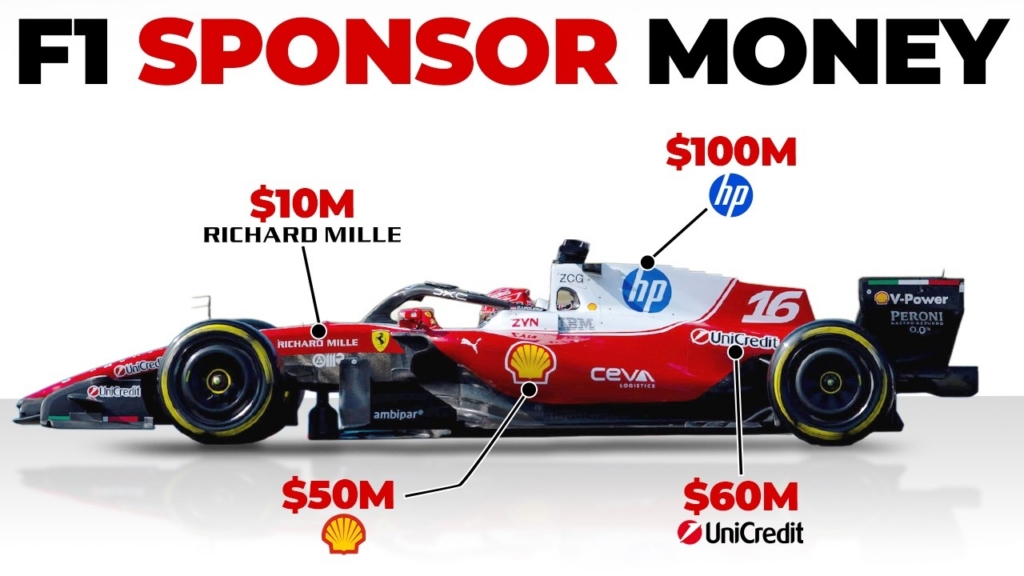
Formula 1 sponsorship can cost anything from a relatively modest US$100,000 per year for a low-visibility logo to well beyond US$100 million annually for naming rights with one of the sport’s biggest teams.
But a logo on a car is rarely the whole deal. Sponsors buy access to drivers, client hospitality, use of the team name in their own marketing, trackside activations, content, and plenty of negotiated extras. That is why no two sponsorship agreements are exactly alike.
The figures below are rough estimates for a mid-tier F1 team. Go to Ferrari, Mercedes, McLaren, or Red Bull and the prices rise substantially. Choose a newer or lower-profile operation and the cost, and likely the exposure, comes down.
What Is Each Part of an F1 Car Worth to a Sponsor?
Car signage is the obvious starting point because it is where most sponsors receive their television, photography, social-media, and news exposure. The price is driven by three main things: how big the logo can be, how often cameras see it, and whether the sponsor owns that particular space.
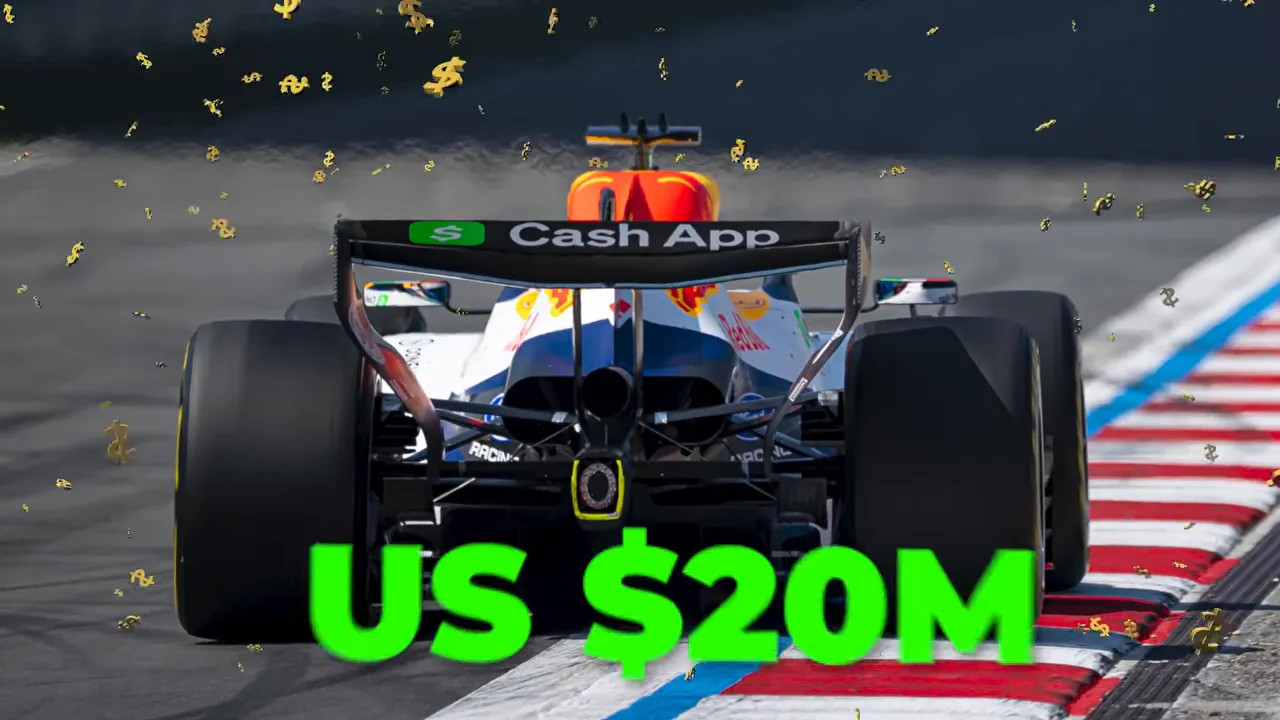
Rear wing: about US$20 million
The rear wing is typically the most expensive area on the car. It is one of the largest clear branding surfaces and is constantly visible in race coverage, particularly from rear-facing camera angles and in photographs.
For a full season with a mid-tier team, a rear-wing placement could be worth around US$20 million. Brands such as Atlassian, Audi, and Petronas have all made use of prominent rear-wing signage.
Sidepods: about US$20 million
The sidepods are similarly valuable. They are broad, highly visible panels that appear in most side-on images, garage footage, and track photography. A major sidepod placement can also command around US$20 million per year.
Not every deal lasts a full season. Some companies buy branding for only 1 or 2 races, which is why teams have staff at the circuit changing logos between events.
Mirrors and rear-wing endplates: about US$5 million each
Mirrors show up often in garage close-ups and front-on camera angles, and one sponsor can own that position. That makes them more valuable than their size suggests, with a rough price of US$5 million per year.
A rear-wing endplate is also a strong exclusive placement. It is a defined panel, easy to identify, and likely to sit in the same US$5 million range.
Side of the chassis: about US$10 million
The side of the tub, or central chassis area, provides a large, visible logo from most side-on angles. It sits below the very biggest positions but remains premium real estate at approximately US$10 million annually.
The Front of the Car Is Valuable, but It Is Often Crowded
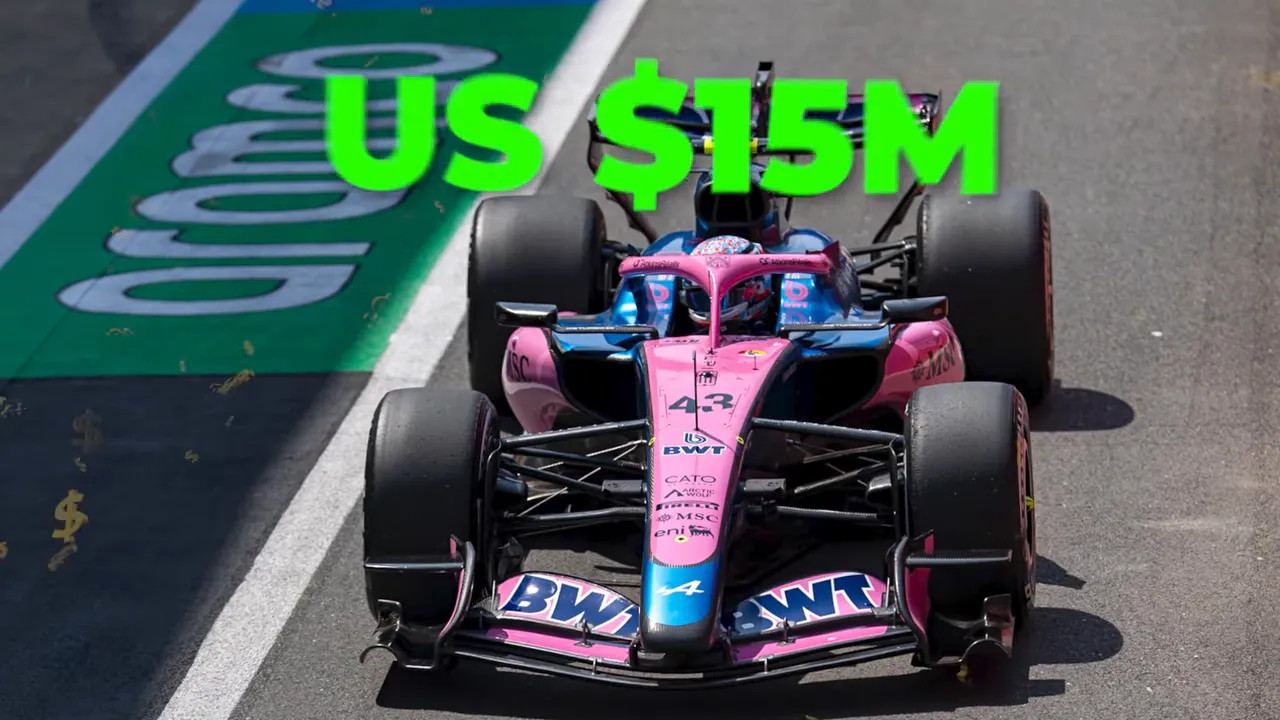
Front wing: about US$15 million
The front wing offers a substantial branding area, but it is not a single flat billboard. Its separate elements mean the logo is best seen from directly ahead. Even so, it remains worth roughly US$15 million on a mid-tier team.
Outside front-wing endplate: about US$8 million
The outer side of the front wing is a clean, exclusive placement that is easy to spot. A sponsor in this position could pay around US$8 million.
Inner front-wing area: about US$5 million
The inner wing area is less prominent than the outside face, so a sensible estimate is closer to US$5 million.
Nose: about US$4 million
The nose is commonly the most crowded sponsorship area on the car. It can still be prominent in front-on shots, but brands are competing for attention with several other logos. That shared visibility reduces its value, putting it at about US$4 million.
Some badges do not cost a thing. Every F1 car carries an FIA logo as part of the sport’s official requirements. It is worn as a badge of honour, not purchased as advertising space.
Smaller Spaces Can Still Carry Serious Value
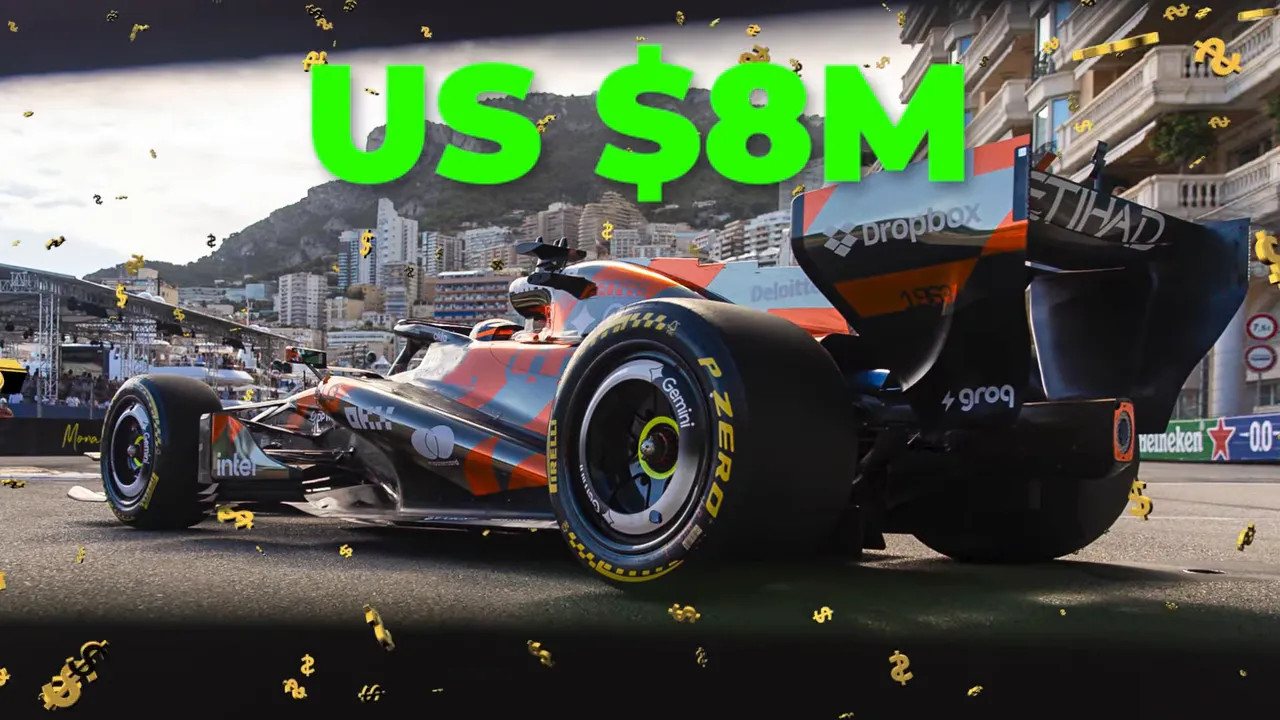
Wheel covers: about US$8 million
Wheel branding is an interesting one. McLaren, Williams, and Aston Martin have all used it. There are 4 wheels, so the branding appears in several places, but it spins at speed and is difficult to capture sharply in photographs.
That creates a trade-off. It is different and memorable, but often not legible in motion. A season-long wheel deal could still be worth around US$8 million.
Beside the driver’s head: about US$4 million
A logo either side of the driver’s head is particularly useful during garage footage and close-up images. In the right shot, it sits alongside only the driver’s helmet, making it a clean and focused exposure opportunity. That placement is worth roughly US$4 million.
Halo branding: US$4 million to US$5 million
Halo positions facing an onboard or top camera are particularly good because the logo remains static while on screen. There are fewer places on an F1 car where that happens.
- Inside halo position: about US$5 million
- Outside halo position: about US$4 million
There is effectively no market for signage underneath the car. It simply is not a usable advertising surface.
Why a Small Logo Is Not Necessarily a Bad Deal
At the very bottom of the chassis sit tiny logos that are difficult to see at speed and rarely feature unless a camera or photographer is focused on that exact part of the car. They may receive scant exposure compared with a rear wing or sidepod.
Still, a small placement can be a legitimate entry into Formula 1. A figure around US$100,000 per year works out to approximately US$4,000 per race across a 24-race calendar. For some brands, the commercial rights, hospitality access, and association with an F1 team matter more than the position of the logo itself.
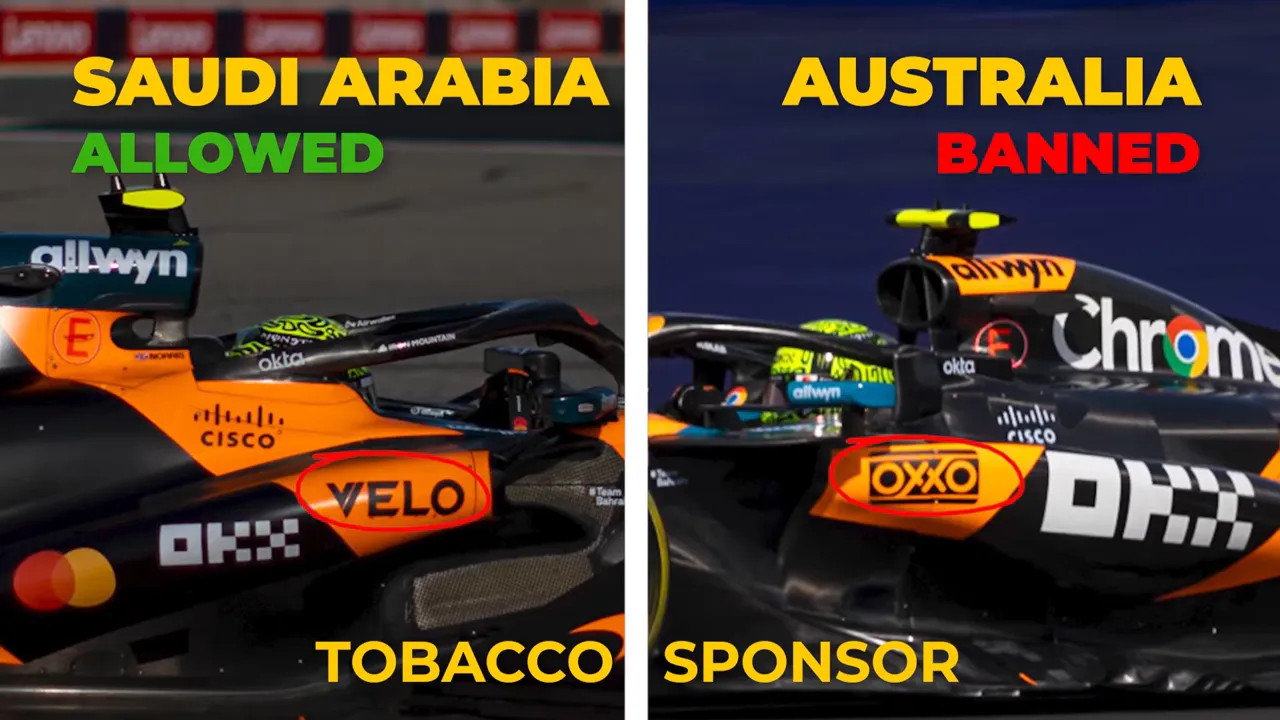
There are also market restrictions to consider. Gambling, tobacco, and crypto companies may be permitted to appear on a car in some countries and prohibited in others. A sponsor’s logo can therefore disappear or be replaced for a particular Grand Prix.
What Sponsors Receive Beyond Car Signage
Branding on the car matters, but it is rarely the only thing being bought. A significant sponsor can expect a package that may include:
- Access to drivers for selected sessions during the year
- Hospitality packages for clients and guests
- The right to use the team name, drivers, and selected imagery in marketing campaigns
- Trackside or off-track activations
- Content opportunities and social-media integration
- Negotiated commercial rights specific to the sponsor’s objectives
Hospitality alone can be priced at about US$10,000 per race, per person. This is why simply comparing the size of two logos does not reveal the true value of their deals.
How Many Sponsors Does Each F1 Team Have?
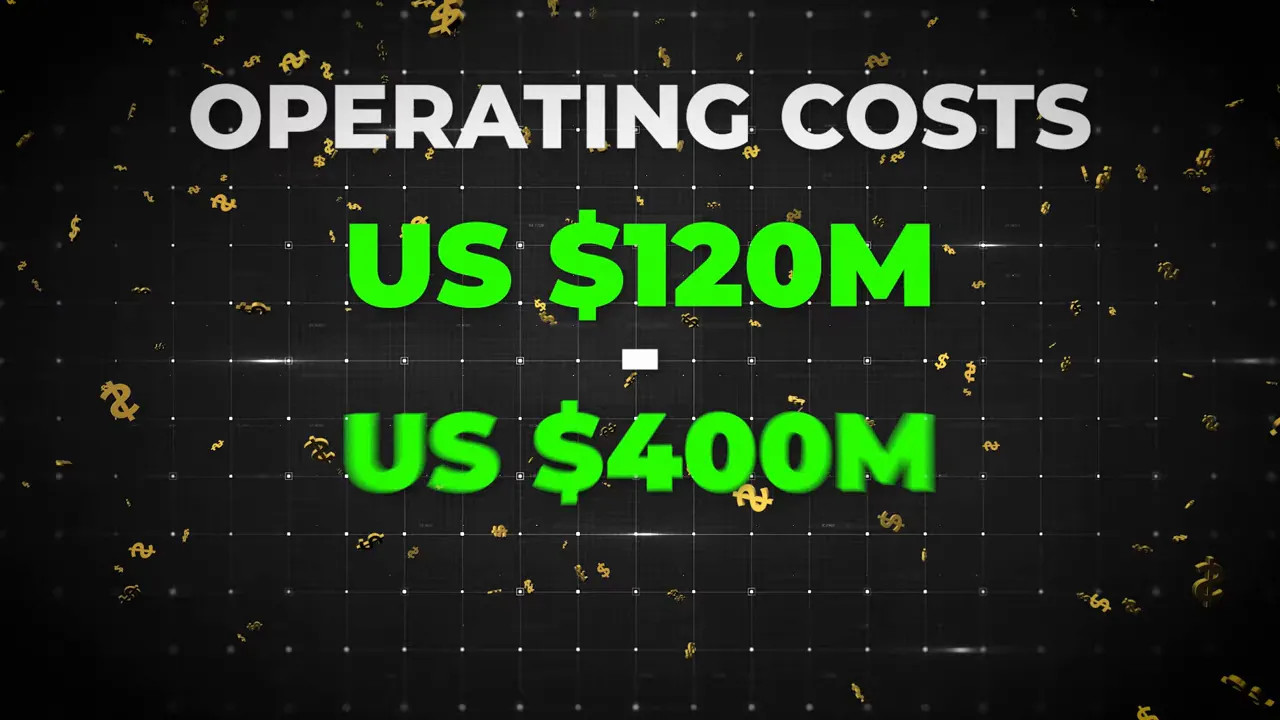
Teams rely heavily on commercial partners because Formula 1 is an expensive business. Annual operating costs can range from around US$120 million to more than US$400 million, depending on the team and the broader costs being considered.
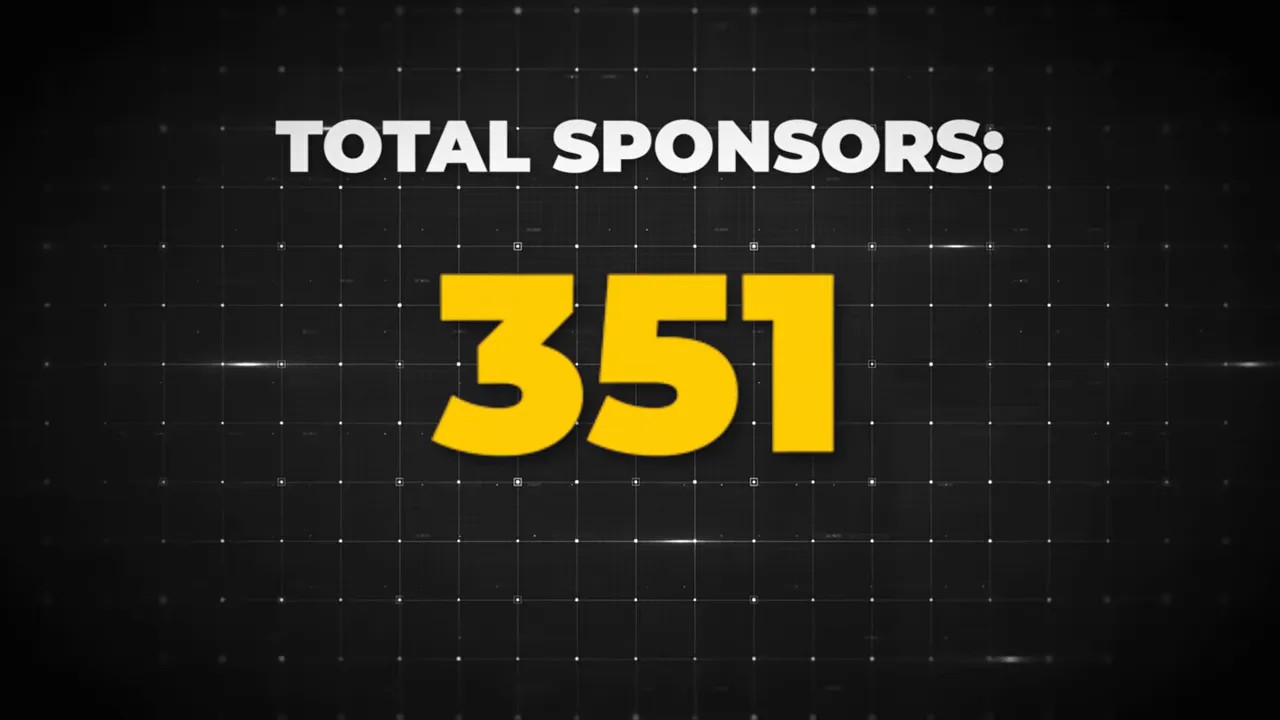
Across the grid, the number of sponsors ranges from just 9 to a remarkable 55. The total across all 11 teams is 351 sponsors.
Mercedes: 29 sponsors
Mercedes sits around the middle of the sponsor-count table with 29 partners. Its major backer is Petronas, the Malaysian fuel supplier, which is estimated to contribute about US$80 million per year.
With its remaining partners and licensing activity, Mercedes could generate between US$500 million and US$600 million in annual sponsorship and licensing revenue. Of course, sponsorship is not the only income source. Teams also receive Formula 1 prize money based on their finishing position in the championship.
Visa Cash App: 27 sponsors
Visa Cash App has 27 sponsors when Red Bull ownership, Visa, and Cash App are counted as separate entities. The Visa Cash App partnership is estimated at around US$12 million to US$18 million annually.
Haas: 27 sponsors
Haas also has 27 sponsors. Toyota Gazoo Racing is its major partner, estimated at US$20 million to US$30 million a year. Toyota’s involvement includes rookie running by Japanese driver Ryo Hirakawa, giving the company useful technical feedback and a closer connection to the sport.
Williams: 26 sponsors
Williams has 26 sponsors, led by Atlassian at an estimated US$25 million to US$35 million per year. Total sponsorship income could be roughly US$100 million.
Results matter greatly to sponsors. Companies want to associate themselves with success, and a team that is struggling has a harder job keeping partners excited. Williams still brings major heritage, as well as driver appeal through Carlos Sainz and Alex Albon.

Audi: 26 sponsors
Audi also has 26 sponsors and substantial financial backing from the German manufacturer. Revolut is a prominent partner, with a contribution estimated at around US$30 million to US$50 million annually.
Cadillac: 9 sponsors
Cadillac has the fewest partners, with just 9. That suggests the manufacturer is covering the majority of its operating budget itself.
Claro, associated with Sergio Pérez for years, is estimated at under US$10 million, while Tommy Hilfiger is slightly below that. The advantage of being one of a small number of partners is clear: Cadillac can likely give each sponsor much more focused attention than a team supporting 55 different brands.
The Most Heavily Sponsored Teams
Red Bull: 36 sponsors
Red Bull has 36 sponsors if Mobil and Mobil 1 are counted separately. The Red Bull brand is dominant because it owns the team, but Oracle is the naming-rights sponsor.
Oracle’s contribution is estimated at more than US$100 million per year. That is an enormous number, even if Oracle’s target customers are far more likely to be enterprise clients than ordinary race fans. The value is not just the logo. Its name is built into the team’s identity: Oracle Red Bull Racing.
Alpine: 37 sponsors
Alpine has 37 sponsors. BWT is its current primary partner, while Gucci is expected to take over that position in a deal estimated at US$20 million to US$35 million.
A title partnership has a visual impact well beyond a normal logo placement. It can influence the colour, design, and overall character of the car, which is why changes of this scale always generate so much interest.

Aston Martin: 37 sponsors
Aston Martin also carries 37 sponsors. Its principal partner is Aramco, the company responsible for producing 1 in every 8 barrels of the world’s oil supply. Other partners include Oakley, Boss, Breitling, TikTok, and more.
The challenge for any sponsor is that branding exposure follows performance. If the car is not near the front, it receives less prominent coverage. A stronger second half of the season can make a tangible difference to the commercial return.
Ferrari: 42 sponsors
Ferrari has 42 sponsors, including HP, Shell, Bitdefender, and many more. The prominent blue HP branding on Ferrari’s red car has been controversial among fans, but it shows what a major partnership can do to even the most established visual identity in Formula 1.
Working with Ferrari also brings restrictions. The team tightly manages its commercial identity, and those controls affect both major partners and smaller sponsors.
McLaren: 55 sponsors
McLaren tops the table with 55 sponsors, including title partner Mastercard. It is a tremendous number, and an illustration of just how commercial Formula 1 has become.
The Big Picture: Exposure, Access, and Results
F1 sponsorship is not a simple rate card. The same patch of bodywork can be worth radically different amounts depending on the team, its performance, the race markets involved, whether the agreement is season-long, and what is included beyond the logo.
A sponsor may pay around US$100,000 for a low-positioned logo, US$4 million to sit beside a driver’s head, US$20 million for major car real estate, or more than US$100 million for naming rights. The most valuable packages combine visibility with access, hospitality, usable marketing rights, and a credible association with a successful team.
And that is the real point. A logo gets a brand noticed. The wider partnership is what turns F1 sponsorship into a commercial proposition worth paying for.
