
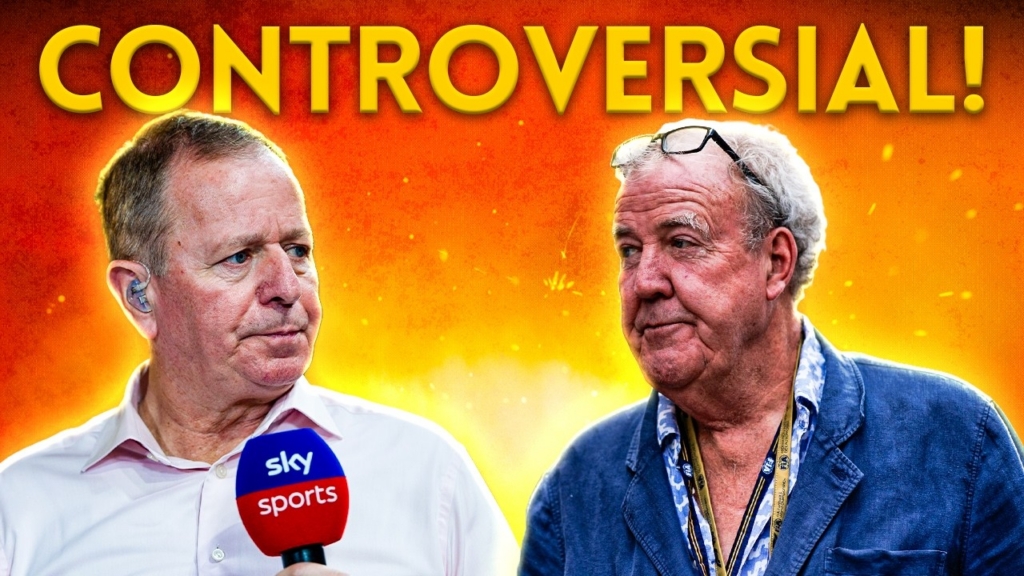
Jeremy Clarkson’s comments about Franco Colapinto’s nationality became one of the biggest talking points away from the racing at the 2026 United States Grand Prix. Argentinian fans made their feelings very clear, and Alpine moved quickly to distance itself from the remarks.
That was only part of a busy weekend at the Circuit of the Americas. There were some interesting details behind Kimi Antonelli’s celebrations, a telling routine inside Ferrari’s garage, cowboy hats everywhere, and hospitality prices that were extraordinary even by F1 standards.
What Did Jeremy Clarkson Say About Franco Colapinto?
I posted a photograph of Clarkson’s Sky Sports interview on Instagram, went to bed, and woke up to more than 1,000 comments. It quickly became clear that something said during the interview had upset a great many Argentinian supporters.
While discussing Colapinto’s grid penalty with Martin Brundle, Clarkson joked that being Argentinian was itself a reason to give the Alpine driver a penalty. It was an off-the-cuff remark, but it certainly did not land well with Colapinto’s fan base.
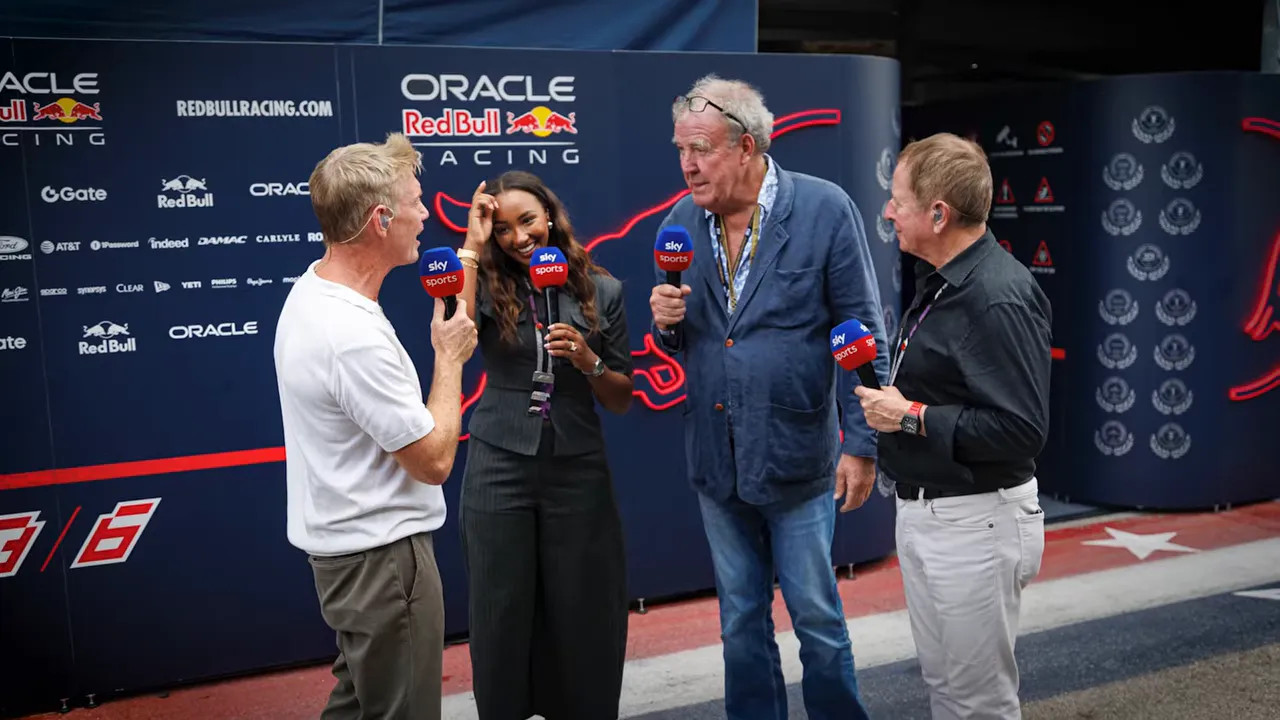
I had been photographing the interview from about 4 or 5 meters away. At the time, I had no idea what was being said. That is an important distinction: being close enough to photograph an exchange does not necessarily mean you can hear it.
The response was not confined to my photograph. Alpine’s own posts about Clarkson attending as a guest also attracted a large number of comments from Argentinian supporters. Clearly, the remark had struck a nerve.
Why Clarkson Brought Up His History in Argentina
Clarkson attended the weekend with Andy Wilman, the executive producer associated with Top Gear. When I spoke to Clarkson on Sunday morning, he connected his remarks to the trouble the production encountered during its filming trip to Argentina.
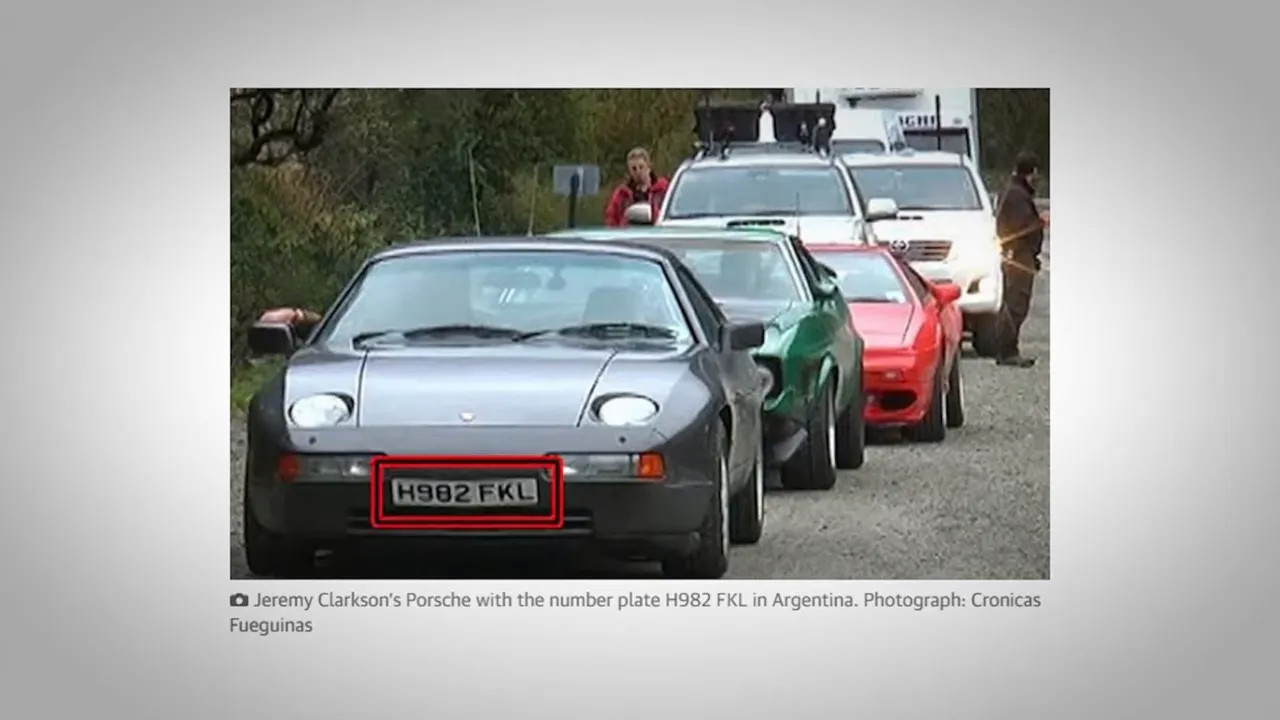
That incident centered on a Porsche carrying the registration H982 FKL, which was interpreted as a reference to the 1982 Falklands War. The situation escalated, cars were pelted with stones, and the crew fled toward the Chilean border.
During our conversation in Austin, Clarkson also referred to aircraft towing banners around the circuit, joking about what one might say about him.
Controversy is hardly new territory for Clarkson. His previous remarks about truck drivers and the stereotyping of Mexicans also drew complaints during his Top Gear years. These days, he is not operating under the same BBC structure that once provided a boss who could rein him in.
Do I think this episode will make him change his approach? I would not put money on it.
Alpine’s Response: Full Support for Colapinto
Because Clarkson was Alpine’s guest, the team had an issue to address beyond the interview itself. On Sunday, Alpine released a statement acknowledging comments made by a team guest during a television interview in Austin.
The statement did not name Clarkson, which seemed unnecessary given that everyone following the story knew who was involved. Its substance, however, was clear.
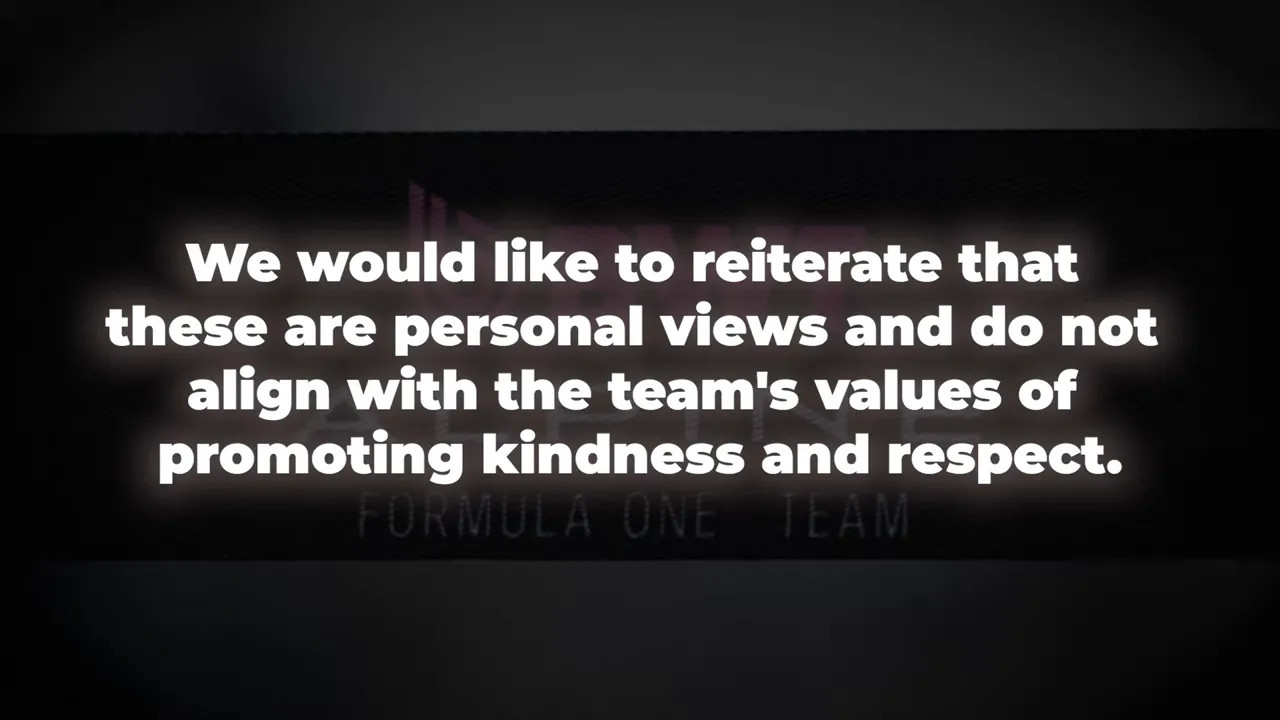
Alpine separated the guest’s personal views from the team’s values of kindness and respect, then reaffirmed that Colapinto was its driver and had its full support.
That was a good touch, and the team acted quickly. Whatever Clarkson intended, Alpine made its position on its driver clear.
Martin Brundle’s Rather Special Porsche
There was another Brundle-related detail in the car park that caught my eye: a magnificent blue-and-white Porsche. I gathered it was his because his name was written across the back.
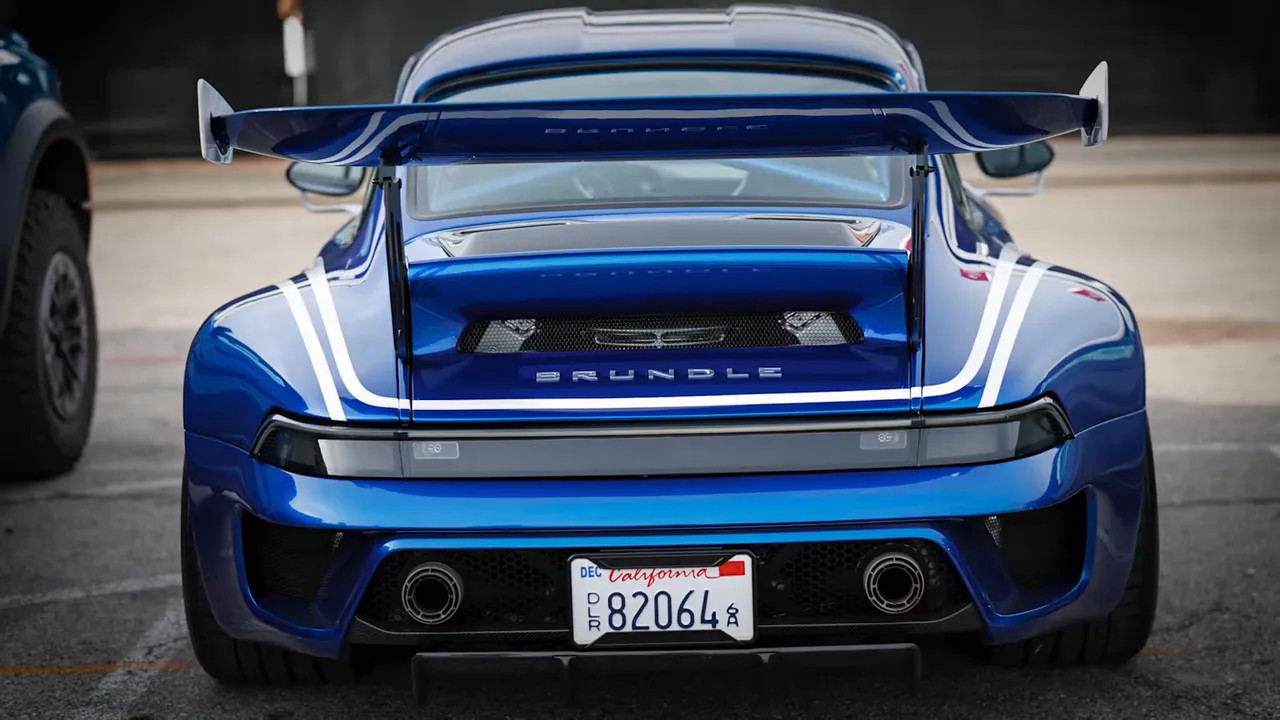
This was a serious-looking bit of kit, with a substantial rear wing and a presence that stood out even among the other expensive cars parked nearby. It would have looked perfectly at home out on the Circuit of the Americas.
One of the pleasures of working around an F1 paddock is that the interesting machinery is not always confined to the garages.
Kimi Antonelli’s Podium Bottle and Texas Alcohol Rules
After the race, Antonelli made a quick dash over to his crew in parc fermé, stopping for a selfie before returning for interviews and then heading to the podium.
There was a small but noticeable difference in his podium equipment: his celebration bottle was not the same as the others. It carried Austin branding and contained a non-alcoholic drink.
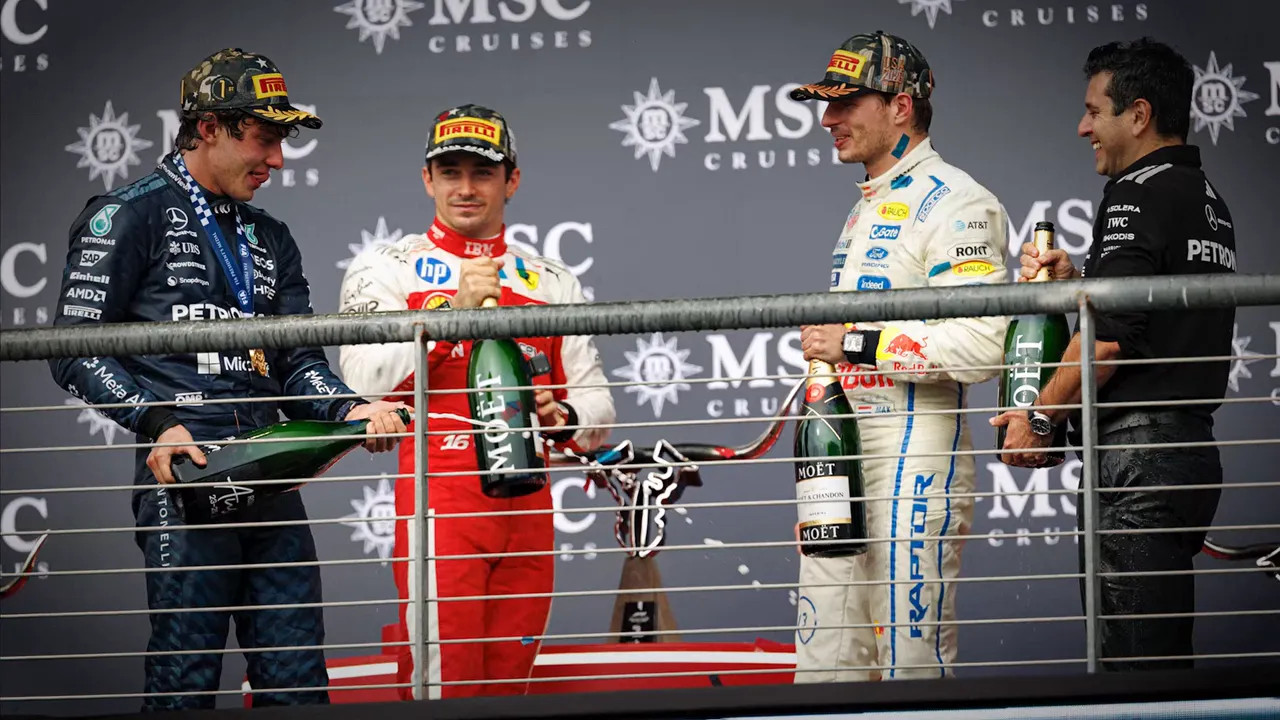
When the other drivers and the team representative began spraying their bottles, Antonelli initially ducked out of the way. He later tried to get his own going, but the liquid rather dribbled out instead of producing the usual celebratory spray.
The exact contents were not confirmed. A non-alcoholic podium drink can be rose water or something similar, but the important point was the absence of alcohol.
Texas generally sets the drinking age at 21. There is, however, an exception allowing a minor to consume alcohol in the visible presence of an adult parent, guardian, or spouse. That distinction became relevant during the later Mercedes celebration.
Why the Paddock Celebration Looked Different
Team celebrations usually take place in the pit lane. This one happened in Austin’s narrow paddock, which I would estimate is less than 10 meters wide. Put a whole team and a large media contingent into that space and there is not much room left.
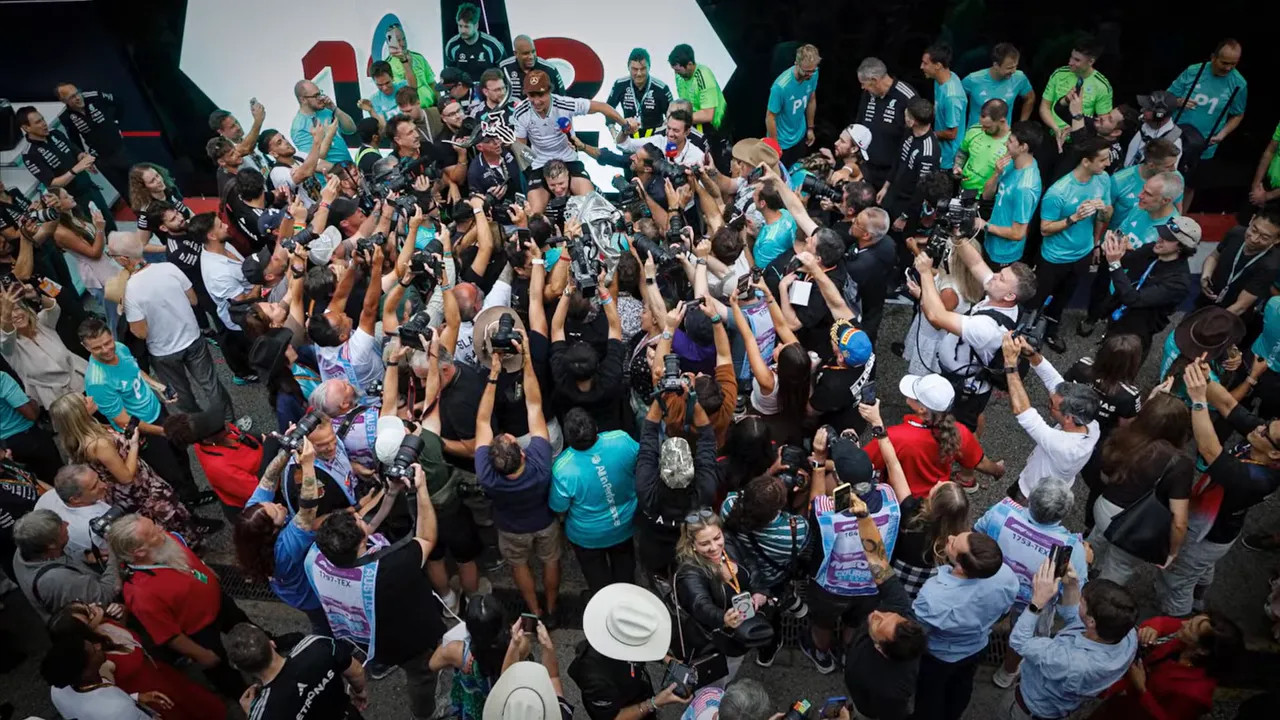
Many of us photographed from the hospitality balconies above. Antonelli did have a taste from an alcoholic bottle during that celebration, but his father was there in visible presence. That was the relevant difference from the podium.
The title was not settled in Austin, leaving open the possibility of a new world drivers’ champion being crowned at the next round in Mexico City.
Ferrari: John Elkann’s Visit and Leclerc’s Garage Routine
Ferrari chairman John Elkann was at the circuit, and I noticed him entering McLaren’s hospitality. Later, he went upstairs with Zak Brown, apparently for further conversation.
It was an interesting sight, but that is as far as the observation goes. I would love to know what they discussed. Seeing people enter a rival team’s hospitality is not, by itself, evidence of any particular deal or development.

On the sporting side, Charles Leclerc delivered a podium finish. Something I noticed while photographing in the pit lane on Friday also deserves attention: he made his way around to greet team members on both sides of the Ferrari garage, not just his own.
That makes good sense. The garage may be divided between 2 drivers, but pit stops require people from across the team to work together. Members of Lewis Hamilton’s crew also contribute when Leclerc’s car comes in.
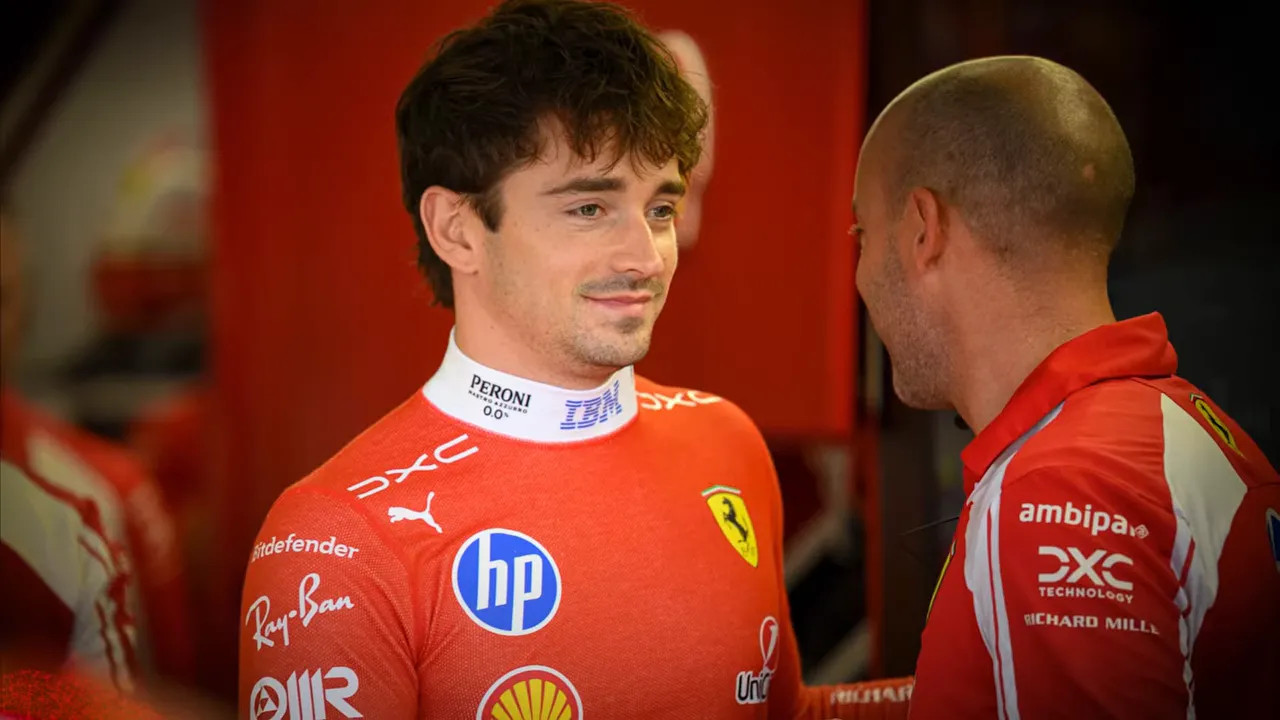
Those relationships matter. A quick greeting is a small gesture, but it recognizes that everyone has a part to play.
I also particularly liked a photograph of Leclerc with a woman seeking an autograph. I do not know what passed between them, but their expressions were terrific. More of that warmth in the paddock would be welcome.
Police Escorts, Cowboy Hats, and Family Arrivals
The volume of police around the Austin race is hard to miss, both in cars and on motorcycles. Someone I spoke to described a corporate group traveling with several vehicles and 2 or 3 police escorts, passing an F1 driver whose vehicle had only 1 escort ahead.
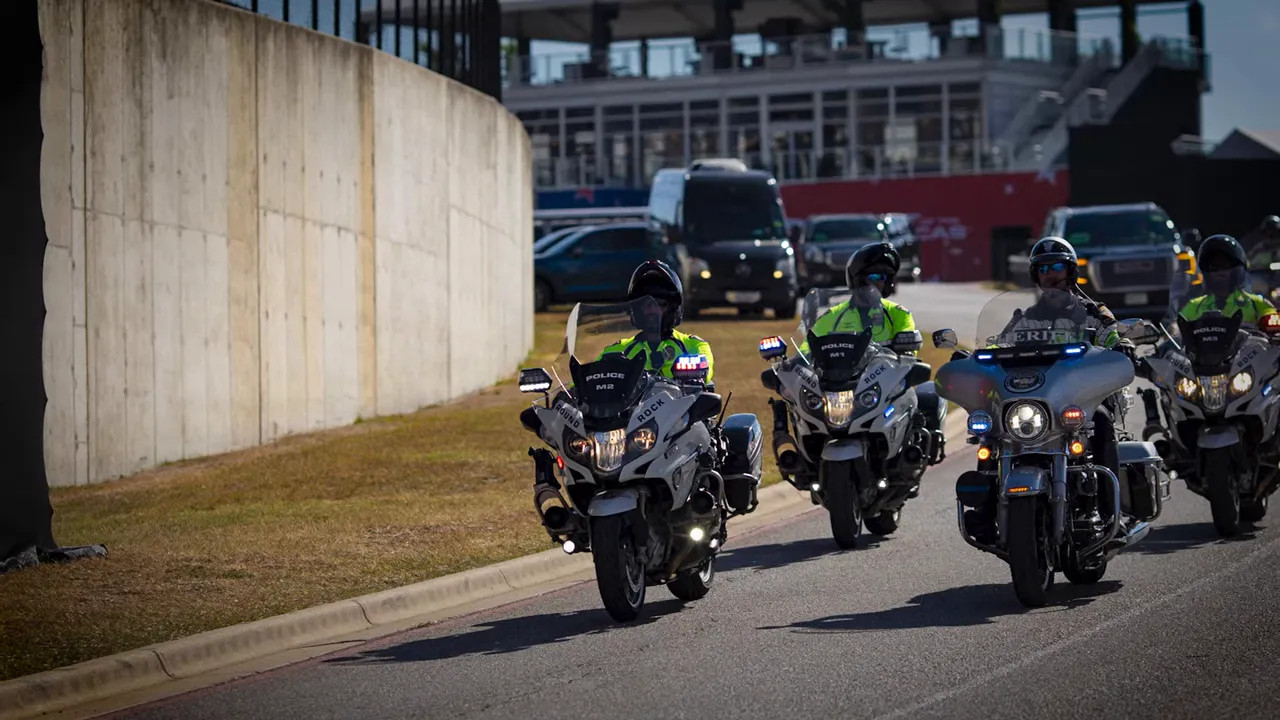
It gave the impression that having more police could move you further up the queue. That was an anecdotal observation rather than a confirmed rule, but it was an interesting detail of race-weekend traffic.
Inside the paddock, the much more obvious theme was Western clothing. Cowboy hats and boots were everywhere. I had originally planned to wear mine just for a photo shoot, then decided to stay out and photograph the drivers arriving. People were certainly not used to seeing me dressed that way.
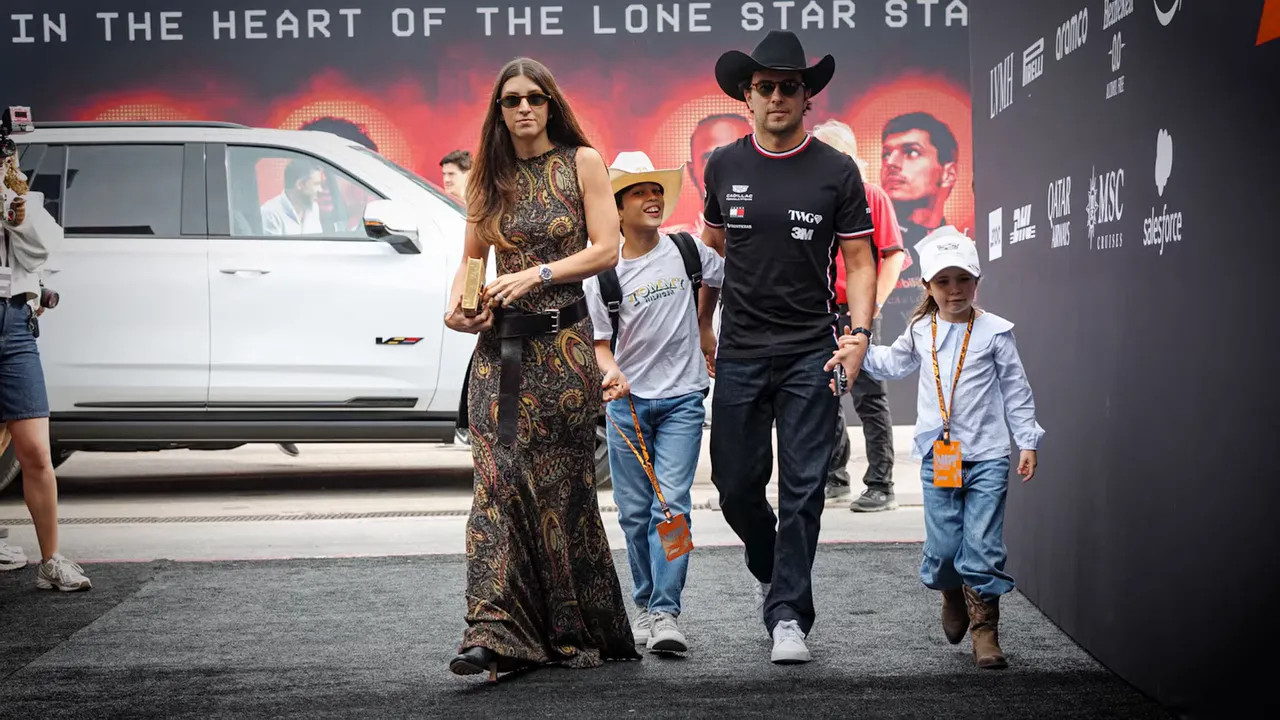
Among the arrivals and guests:
- Team principal Martin wore a cowboy hat.
- Valtteri Bottas and Tiffany Cromwell joined the Western theme. Cromwell had recently finished her cycling career.
- Sergio Pérez arrived with Carola and their 2 children, with Pérez also sporting a cowboy hat. That family photograph became one of my most popular posts of the day.
- Pierre Gasly had his parents with him for the weekend.
These are the details that give each Grand Prix its own character. Austin certainly does not struggle for an identity.
Haas Carried Its Austin Design Beyond the Car
I loved the Haas livery for this weekend. It was eye-catching on track, but what made it particularly effective was how the team extended the design through its surroundings.
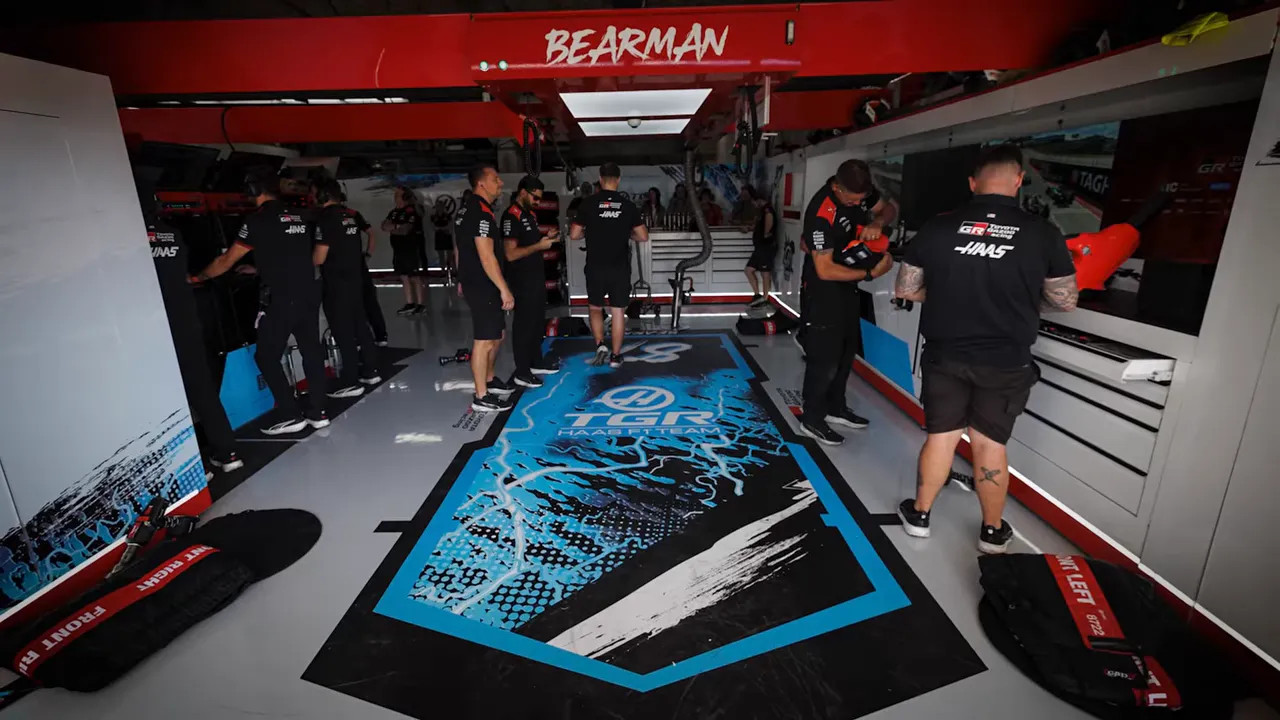
The treatment appeared at the back of the garage, across the garage floor, and on the drivers’ race suits. Rather than stopping at the bodywork, Haas created a coordinated look for the whole operation.
For a photographer, that is a gift. It offers more than a single car shot and makes the garage itself part of the visual story.
Austin’s $37,000 Hospitality and Million-Dollar Memberships
At one end of the paddock sat a hospitality building with capacity for 120 people and a quoted price of $37,000 for a 3-day ticket. I suspected tax might be additional, although I had not confirmed that.
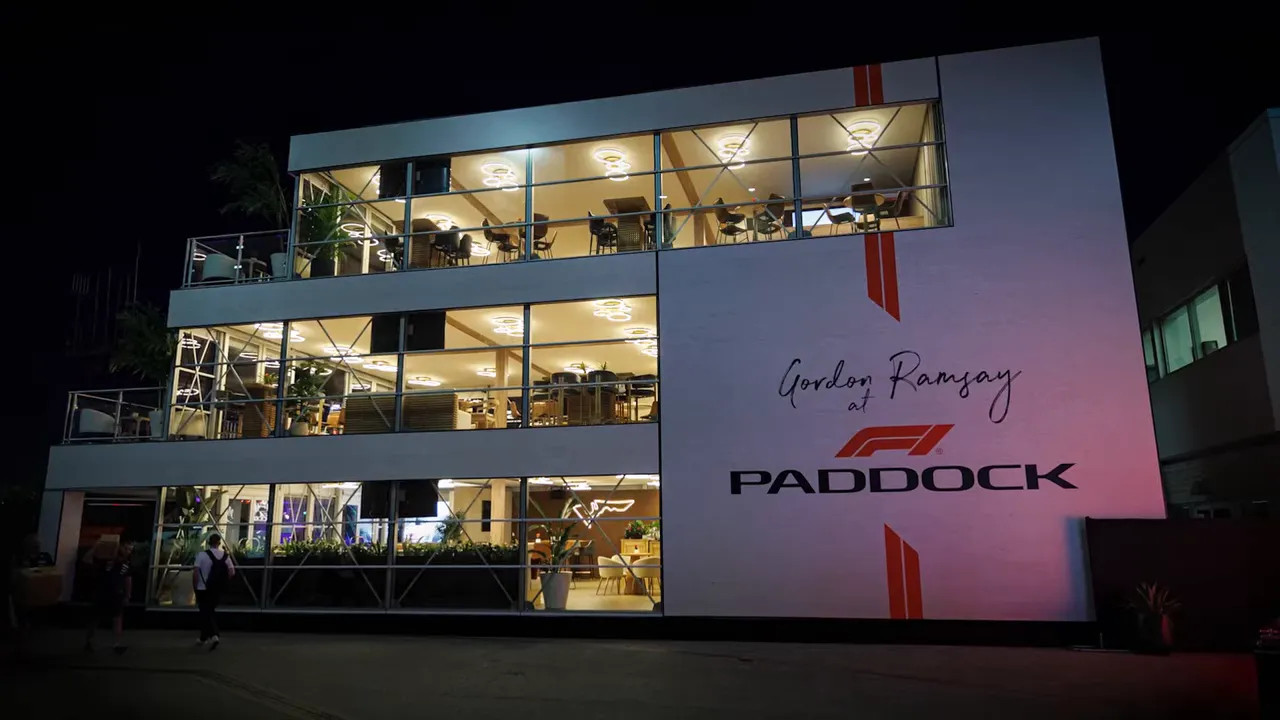
That is a remarkable amount of money for a corporate hospitality product. Exclusivity is clearly part of the appeal. I would expect a grandstand seat to be included, but I had not verified every element of the package.
Gordon Ramsay was at the circuit. At that price, I would certainly hope guests had an opportunity to meet him, although I could not confirm that everyone did.
I photographed Ramsay with Dale Brisby, who describes himself as the world’s greatest bull rider and certainly looked the part. When I asked Brisby about his worst injuries, he told me he had suffered 2 broken backs. That is quite a price to pay for your profession.
The Circuit Club and Turn 11 Garages
I photographed the race start from the top of the building called The Circuit. Its membership offering starts at $1 million and includes access to track days.
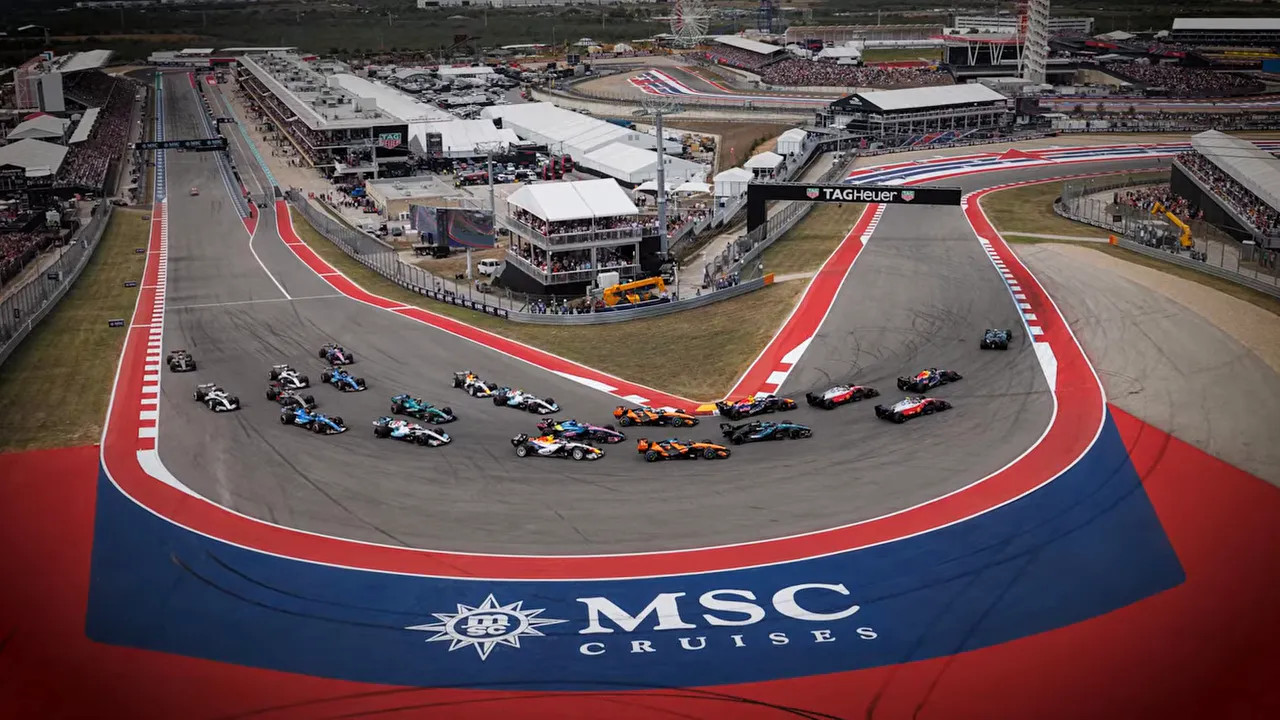
There is an important correction to an earlier figure I gave: 100 memberships were offered at $1 million, not 200. A further 100 were expected to be priced higher, presumably according to demand. My understanding was that membership included roughly 250 track days a year, but that number needed confirmation.
Nearby, the Turn 11 development offers high-end garages where owners can keep their cars close to the circuit. Combined with the appropriate track membership, it is a rather convenient setup for someone with a serious collection.
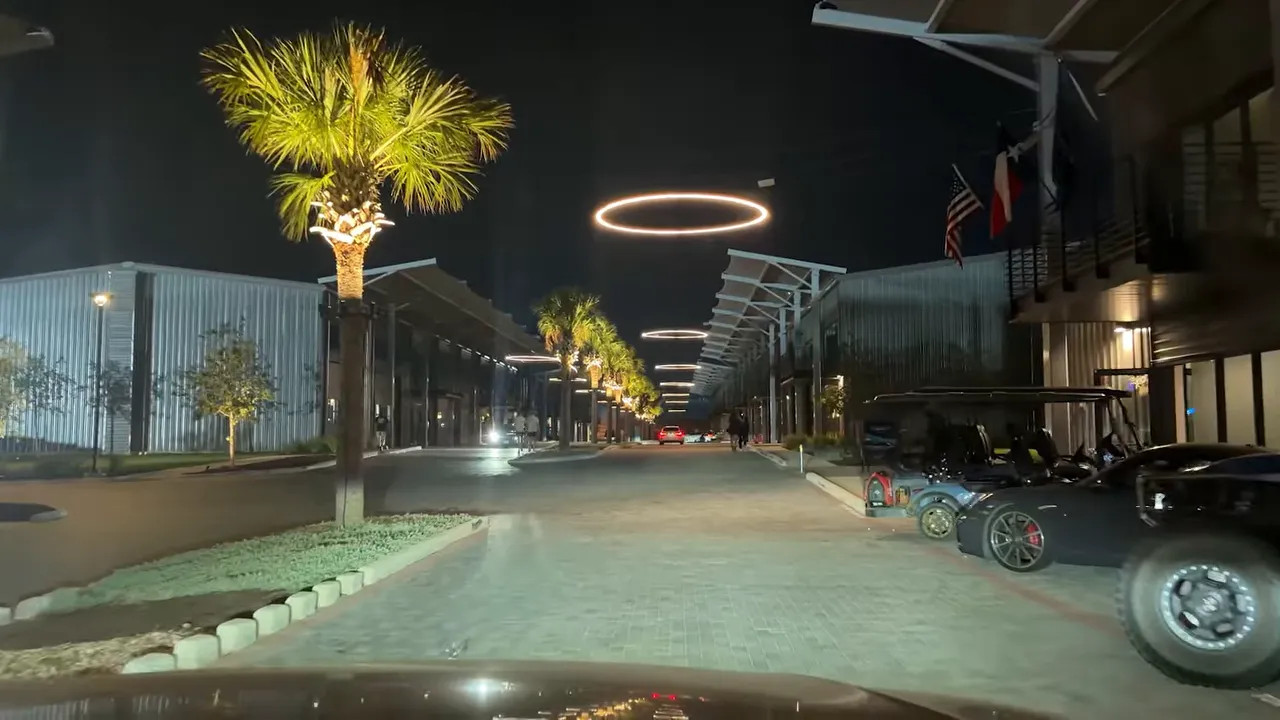
Driving through that area after the race, I was struck by the number of impressive garages and the machinery inside them. The development sits right against the track. It is a very different side of the Austin F1 experience from a general-admission ticket.
The Flyover, the Turn 1 Building, and the Gondola
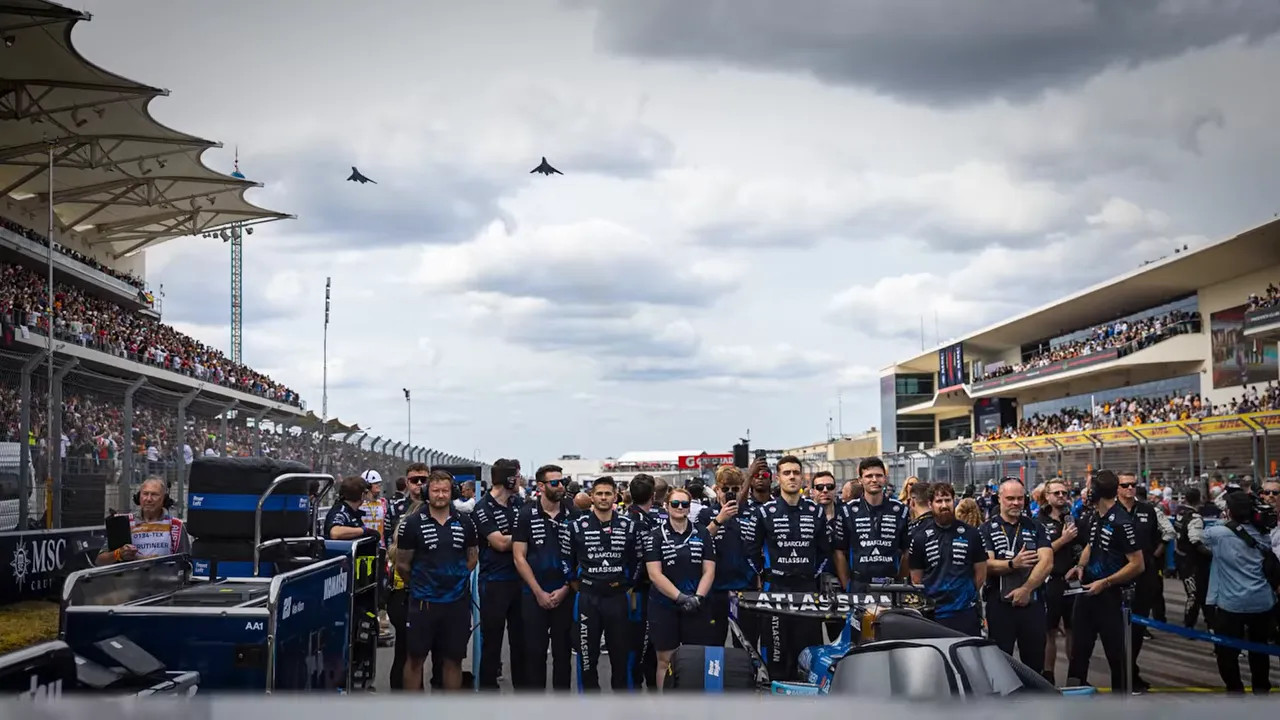
The 2 jets passing overhead at the end of the national anthem delivered one of the most memorable sensations of the day. The noise and rumble were properly spine-tingling. I could not confidently identify the aircraft, but there was no mistaking their impact.
The large building overlooking Turn 1 prompted a rather different reaction online. Some people disliked its appearance and considered it an eyesore. It is certainly distinctive; I struggled to think of another F1 circuit with something quite like it.
To reach it from the Paddock Club, there is a gondola. Its operating system is different from the detachable lifts commonly found at ski resorts.
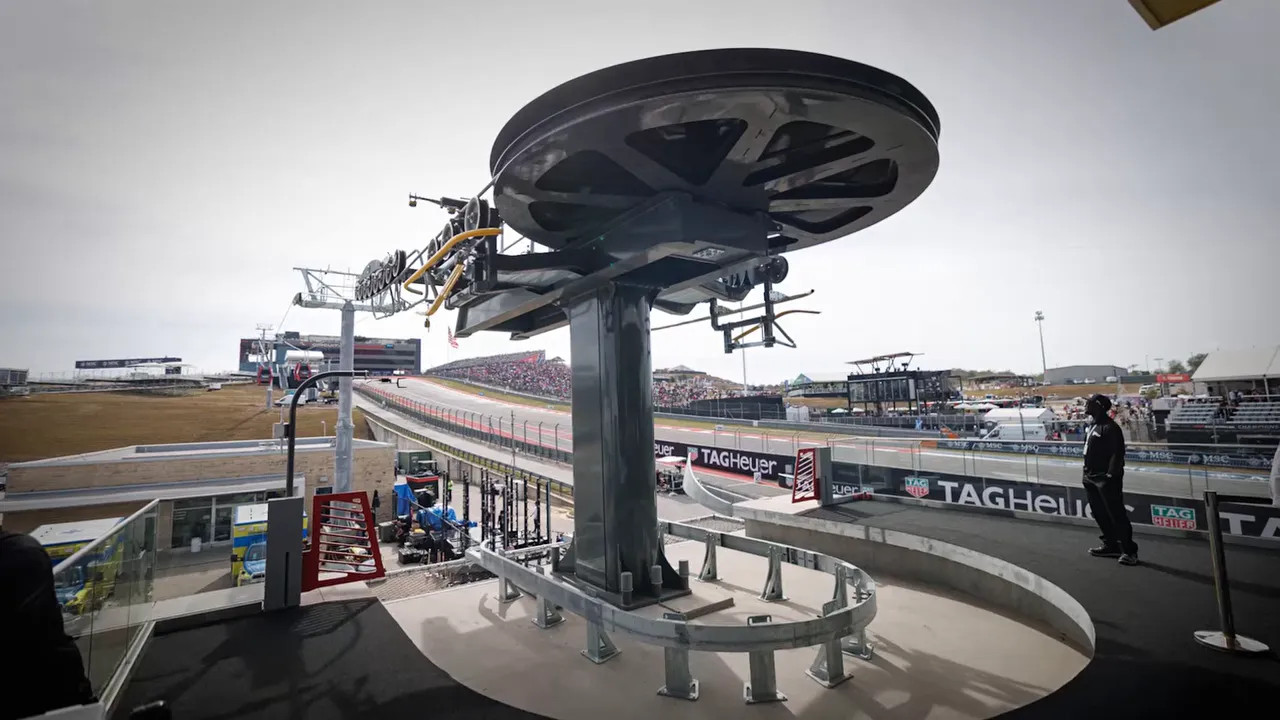
- A typical detachable ski lift: cabins leave the main cable to move slowly through the station for loading and unloading, then reattach.
- The Austin system: cabins remain on a fixed loop, so the whole system speeds up or slows down as passengers get on and off.
I understood that limited space was the reason for choosing this arrangement. I was also told the cabins could become very uncomfortable on hot days because they lacked air conditioning, with a fix expected at some point.
From a controversy that required an Alpine statement to tiny details on a podium bottle, Austin produced plenty beyond the race itself. Next came Mexico City, with the championship still providing another major reason to pay attention.
