

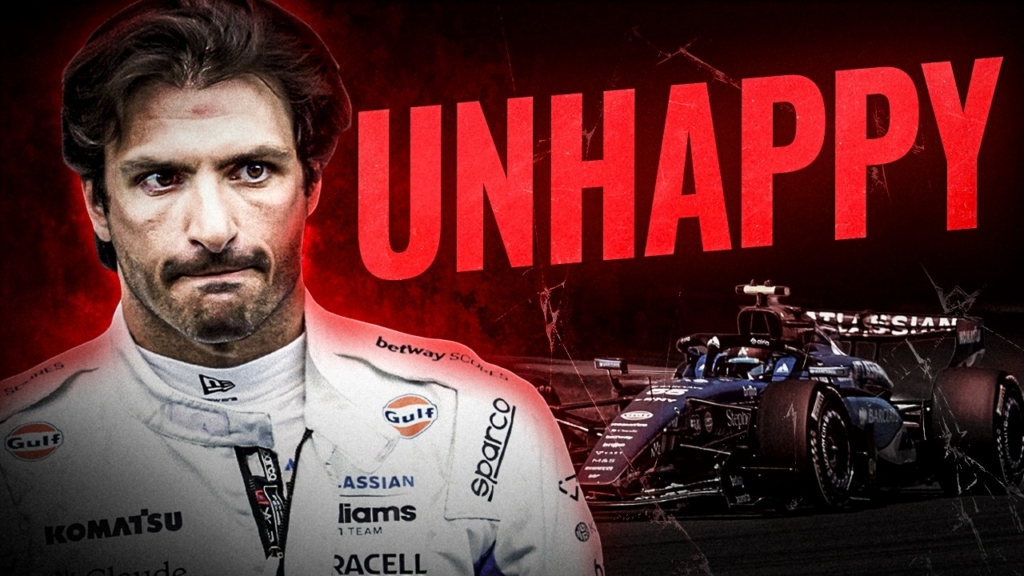
Carlos Sainz joined Williams because he believed in a long-term revival. Halfway through 2026, that belief is being tested severely.
The 4-time Grand Prix winner sits 15th in the drivers’ championship with 6 points, while Williams are ninth in the constructors’ standings on 11 points. For a driver who left Ferrari to become a central figure in James Vowles’ rebuilding project, it is a long way from where this story was supposed to be.
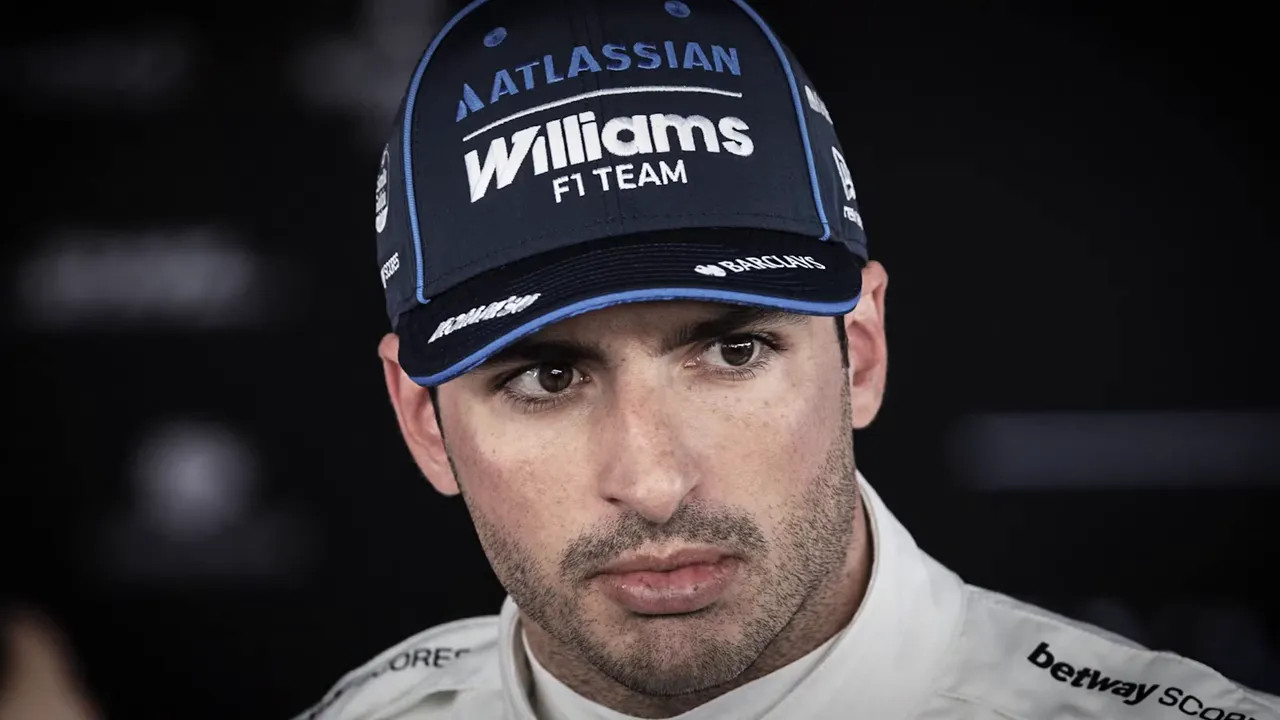
This is not simply a case of Sainz being unable to get on top of a new team. Nor is it entirely a case of Williams producing an uncompetitive car. As is usually the case in Formula 1, the reality lies somewhere between those 2 explanations. But there is no disguising the fact that a promising project has taken a nasty turn.
Why Sainz Chose Williams
When Lewis Hamilton announced in early 2024 that he would take Sainz’s Ferrari seat for 2025, it came as a serious blow. Sainz had built a solid career through McLaren and Ferrari, finishing fifth in the championship in 2021, 2022 and 2024, with a seventh-place finish in 2023.
His management considered several options. Audi was interested, but Williams and James Vowles ultimately sold him the more compelling vision. The attraction was not immediate results. Williams were struggling at the time. The attraction was the project.
Vowles had arrived from Mercedes at the beginning of 2023 and had begun rebuilding the team from the ground up. Infrastructure, personnel and long-term development were all receiving attention. Williams wanted an experienced driver who could offer detailed technical feedback, lead from inside the cockpit and extract results from an imperfect package.
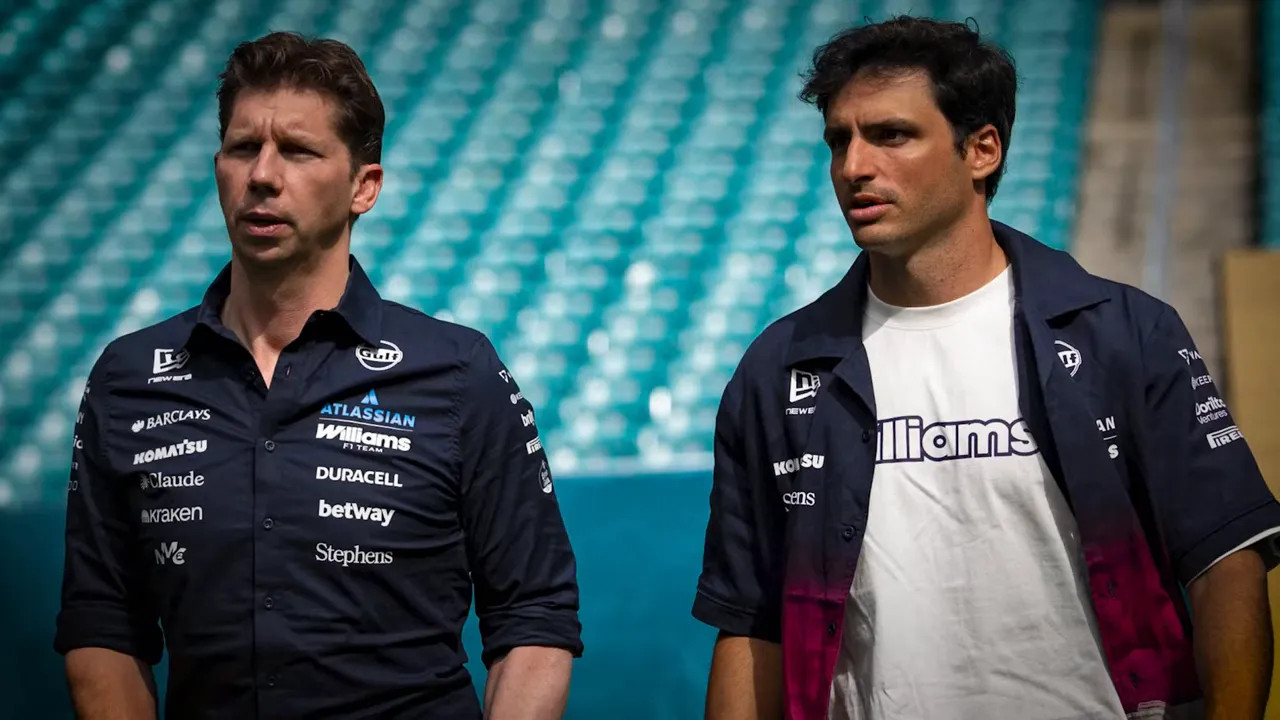
Sainz was ideal for that role. He is a meticulous driver, interested in understanding exactly what a car is doing and why. He has always had a reputation for racecraft, intelligent feedback and squeezing the final few tenths from machinery that may not naturally deserve them.
Williams reportedly paid him about US$13 million for 2026. But money is unlikely to decide whether he stays beyond the initial 2-year deal. Progress is the real currency here.
A Promising but Frustrating First Season
The start of Sainz’s 2025 campaign was difficult. He had very little testing time in Bahrain and was dealing with a completely new car, a new engineering group and a new working environment all at once. A driver who depends on building a detailed picture of a car was being asked to do it with limited running.
His early results were underwhelming. He retired in Australia and scored only 1 point in China, while Alex Albon was more regularly turning the FW47’s potential into points. That led to understandable frustration.
Yet the full season told a more nuanced story. The FW47 was one of the midfield’s success stories, and Sainz’s one-lap speed was often excellent. He finished the year with a better qualifying record than Albon and scored 2 podiums, despite ending 9 points behind his teammate, 73 points to 64.
That combination matters. It showed that Sainz was not simply off the pace. The bigger issue was converting strong Saturday speed into consistent Sunday results. Incidents, retirements and missed opportunities kept getting in the way.
Baku Proved What Was Possible
The Azerbaijan Grand Prix was the high point. Sainz qualified second, putting a Williams on the front row for the first time since George Russell’s wet-weather qualifying performance at Spa in 2021. He followed it with third place in the race, delivering Williams’ first full-distance podium since 2017.

There was another podium in Qatar later in the year, along with points finishes in Saudi Arabia, Miami, Imola and Singapore. Williams rose from ninth in the 2024 constructors’ championship to fifth in 2025. That was a substantial leap and a very good reason for Sainz to believe he had made the right call.
The 2026 Reset Has Gone Wrong
Then came the largest technical reset Formula 1 has seen in years. New power units, revised aerodynamics, tyres, energy management and entirely different design priorities meant that success under the previous regulations offered no guarantee at all.
Williams had openly focused significant attention on 2026. Vowles had made clear that this was the season the team wanted to target. That made the start of the year particularly damaging.
The FW48 was not ready for the Barcelona shakedown. Missing 3 full days of running was a huge setback before the season had even begun. When the car finally ran in Bahrain, it was reportedly at least 20 kg overweight, with crash-test complications and tight manufacturing deadlines contributing to the delay.

For a team that had devoted so much effort to the new regulations, this was an embarrassing and expensive way to begin. Testing is where teams identify problems, build a baseline and learn how their new machinery reacts to setup changes. Williams arrived at the first races already chasing answers.
The consequences have been obvious. Sainz managed ninth-place finishes in China, Miami and Canada, but a run of poor results followed:
- Retirement in Monaco
- 12th in Barcelona
- Retirement in Austria
- 17th at Silverstone
- 16th in Belgium
- 18th in Hungary
Sainz has been unusually direct about the situation, saying Williams lacks pace, reliability and a car consistently capable of scoring points. Drivers do not often speak so bluntly about their own equipment, particularly when their future with the team remains under discussion.
The FW48 Is the Main Problem
Williams’ decline is stark. The team finished fifth in 2025, yet has slipped to ninth midway through 2026. Sainz has 6 points and Albon 5. That close tally is important because it suggests this is not a problem isolated to one side of the garage.
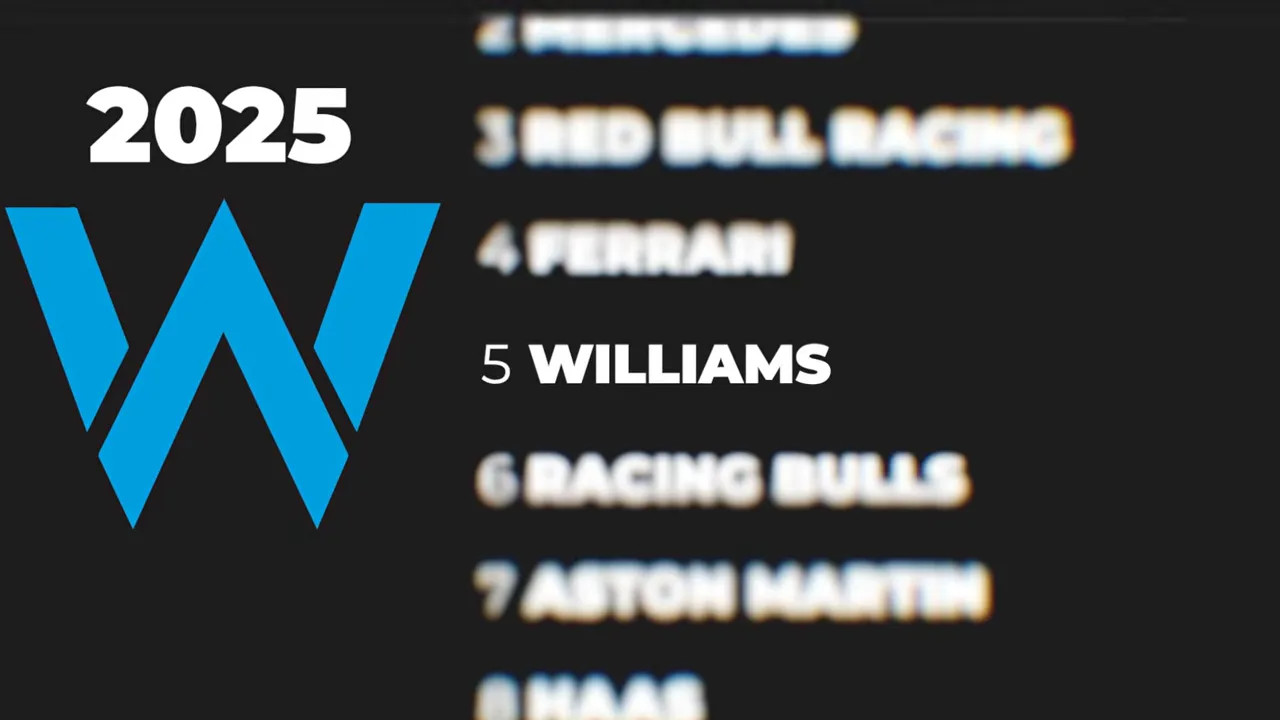
In 2025, the team had a car that could excel in particular conditions and punch above its weight. Under the new rules, those strengths have not carried over. The FW48 has lacked the performance margin needed to fight reliably in the midfield, while the early testing loss left the team behind in understanding its package.
Williams also face a development race. A weak opening is not necessarily terminal in Formula 1, but it demands quick, effective upgrades. Sainz has admitted he is not convinced the team can develop the 2026 car quickly enough to close the gap to rivals. That is the quote that should concern Williams most.
There is pressure everywhere: from management, from the board and from sponsors. Most importantly, there is pressure from 2 talented drivers who expected more from a season that was meant to be the payoff for years of preparation.
What Does This Mean for Carlos Sainz in 2027?
Sainz is 31 years old and has raced for 5 teams across an 11-year Formula 1 career. He does not have endless seasons available to patiently wait for a team to become competitive. He chose Williams as a calculated gamble, not as a permanent holding pattern.
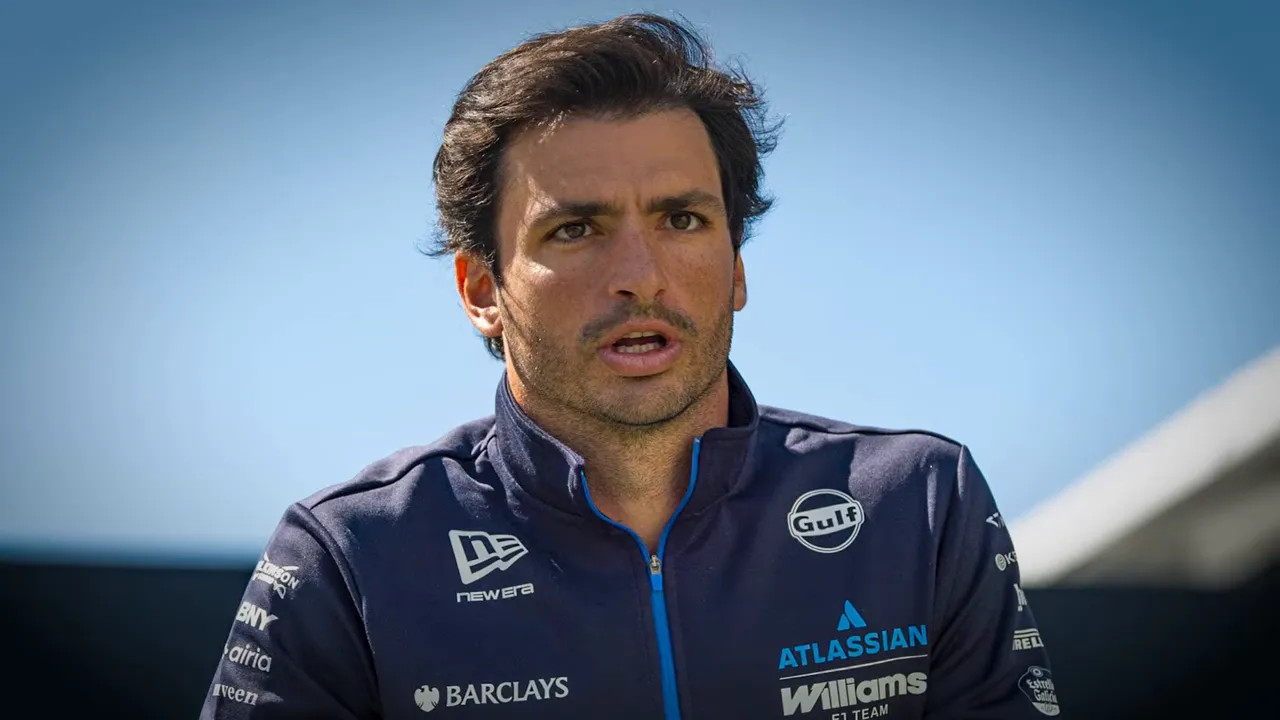
His first 18 months with Williams have contained nearly every possible emotion: a difficult adjustment, strong qualifying speed, 2 podiums, a rise to fifth in the constructors’ championship and then a steep performance collapse.
That is why he is unhappy. He bought into the promise of a team moving forward. In 2025, the evidence suggested that promise was becoming real. In 2026, the reality has been very different.
Williams can still change the direction of this season, and Sainz has described it as a character-building year. But character-building years are only useful when they lead to something better. If the FW48 cannot be improved quickly, the question surrounding Sainz’s future will become impossible to ignore.
Formula 1 is brutally good at reminding even the best drivers of one hard truth: the car often decides the story.
FAQ: Carlos Sainz and Williams in 2026
Why did Carlos Sainz sign for Williams?
Sainz chose Williams because he believed in James Vowles’ long-term rebuilding plan. The role offered him the chance to contribute technical feedback, help raise standards across the team and potentially be part of Williams returning to the front of the midfield.
How many points has Carlos Sainz scored in 2026?
Halfway through the 2026 season, Sainz has scored 6 points and is 15th in the drivers’ championship.
What went wrong with the Williams FW48?
Williams missed the Barcelona shakedown, lost valuable testing time and began running the FW48 significantly overweight. The car has also lacked the pace and reliability needed to score points consistently under Formula 1’s new 2026 regulations.
Will Carlos Sainz stay with Williams for 2027?
Sainz signed a 2-year agreement with options to extend, but his decision will likely depend far more on Williams’ competitiveness and development progress than on salary alone.
